
Why & How I Started a Branding Agency
I’ve been operating Sixmoredays, a digital marketing and branding agency, for around 12 years.
Today, a significant portion of our work involves public-sector and government-related projects.
Starting a branding agency was not something I had planned from the beginning. I studied architecture, began freelancing while I was still in university and gradually moved into broader creative and communication work.
What began as a series of smaller freelance projects eventually became a full agency.
Along the way, I had to learn how to attract clients, hire creative talent, manage finances and build a business that could handle projects beyond what I could deliver alone.
My Background Before Starting a Branding Agency
What I Was Doing Before I Became an Agency Founder
Before starting Sixmoredays, I studied architecture at the National University of Singapore and completed a master’s degree in architecture.
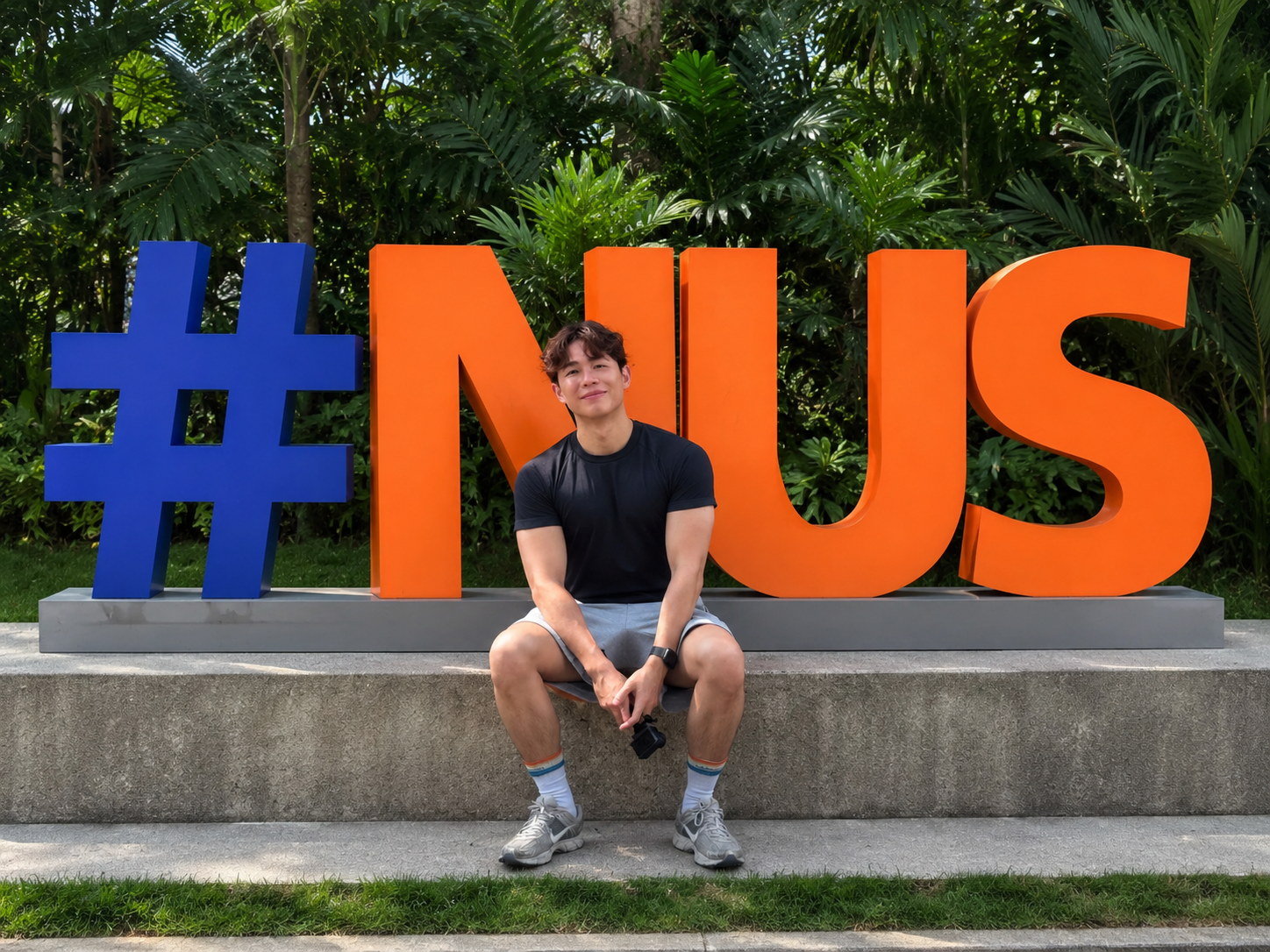
While I was studying, I had already started taking on freelance creative projects. These projects allowed me to gain practical experience outside the classroom and explore different types of design work.
By the time I graduated, freelancing had already become a natural part of my life. Instead of making a sudden career change after university, I continued moving in a direction I had already begun exploring.
Why I Did Not Pursue Architecture as a Career
I found architecture interesting as a subject, but I did not find the profession itself as fulfilling as I had expected.
During my studies, I completed several internships and gained firsthand experience of what working in architecture would actually be like. Those experiences helped me realise that the reality of the job did not fully match what I wanted from a career.
That does not mean architecture is an unfulfilling profession. Many people are deeply passionate about it and build meaningful careers in the industry. It simply was not the right path for me.
How Freelancing Led Me into Branding
My early freelance work mostly involved smaller creative projects, including marketing materials and other forms of collateral.
Even when a project appears to be primarily about design, its central purpose is usually communication. You are trying to communicate something to an audience, whether that is an event, a promotion, a service or a broader brand message.
As I took on more work, I started thinking beyond whether an individual design looked good. I became more interested in what the design was trying to say, who it was speaking to and whether the message was clear.
Branding became a natural extension of that work.
When you create a marketing asset, you are often communicating a specific message for a particular campaign. Branding requires you to look at the bigger picture and consider how the business communicates as a whole.
I began asking broader questions about what the brand represented, how it should position itself and what people should remember about it. As my projects became larger and more complex, moving from individual design work into branding felt like a logical progression.
Why I Decided to Start My Own Branding Agency
Moving Beyond Freelancing
There are many advantages to remaining a freelancer.
Freelancing can sometimes be more relaxing and personally fulfilling because you have more control over the projects you accept and the amount of work you take on. You can manage your workload according to your own capacity.
However, as the size and expectations of my projects increased, it became harder to fulfil every role by myself.
Larger branding projects often require strategy, visual identity work, marketing materials, digital applications, project management and ongoing client communication. It is difficult for one person to consistently manage all these responsibilities, especially when serving multiple clients.
Building an agency allowed me to bring together different talents and take on a broader scope of work.
Building Greater Legitimacy with Clients
Some clients prefer to hire companies rather than individual freelancers.
Working with an agency can give them more peace of mind because they feel there is a formal structure behind the project. They may also believe that an agency is better equipped to handle larger workloads, deadlines and different areas of responsibility.
Operating as a company gave Sixmoredays a greater sense of legitimacy in the eyes of certain clients.
This was particularly important when approaching larger organisations that might not have considered engaging a freelancer for the same project.
Accessing Larger and More Complex Projects

Minister for Education and Minister-in-Charge of Social Services Integration Desmond Lee at the Naturing Ubin exhibition Sixmoredays supported.
Starting an agency gave me access to a broader range of opportunities.
Instead of being limited to the amount of work I could personally execute, I could assemble a team around the requirements of each project.
This allowed us to pursue more complex assignments and work with clients who expected a full-service approach.
However, running an agency is not automatically better than freelancing. It is simply a different business model with different opportunities, risks and responsibilities.
The Financial Reality of Running an Agency
People sometimes assume that starting an agency immediately leads to higher income.
The volume of work may increase, but an agency also comes with additional costs. You have salaries, operational expenses, software and other overheads that a freelancer may not need to manage.
Singapore’s creative industry is also very competitive. Clients will not always agree to pay substantially more simply because you operate as an agency.
In many cases, they are still looking for the most sensible or affordable cost for getting the work completed.
An agency may generate more revenue, but that does not mean every project is more profitable.
How I Started My Branding Agency
Developing the Agency’s Positioning
When developing Sixmoredays’ positioning, I focused on communication rather than presenting the agency as one that simply produces attractive designs.
Our approach is based on helping brands clarify what they want to say and communicate it in a way that is clear and distinctive. I did not want our work to be associated with the idea that design must be complicated or overly artistic to be effective.
Instead, I positioned the agency around simplicity, clarity and strategy. The aim is to understand what a brand is trying to achieve before deciding how it should look.
This allowed Sixmoredays to position itself as an agency that considers the reasoning behind the design, rather than approaching each project solely from a visual perspective.
Self-Funding the Business
Sixmoredays was self-funded.
Fortunately, starting a branding agency does not require the same amount of upfront capital as many other types of businesses.
There is no need to purchase large amounts of stock, machinery or physical infrastructure. The most important resources are usually the people doing the work.
The main investment is therefore talent. Creative work relies heavily on people, their skills and their ability to solve problems.
As the agency grows, the costs are more likely to come from hiring, developing and retaining the right team than from purchasing physical assets.
Setting up a company in Singapore is also relatively straightforward, which made the administrative side of starting the business more manageable.
How I Found My First Few Clients
Existing Freelance Relationships
Some of my first agency clients came from relationships I had already developed while freelancing.
Those clients were familiar with my work, so transitioning them into agency clients was a natural first step.
Instead of starting with no portfolio, no relationships and no reputation, I could build on projects I had already completed.
These relationships also allowed me to show that the agency could handle a broader scope of work than I had previously offered as an individual.
For many new founders, their earliest clients are likely to come from existing relationships and projects.
Word of Mouth
Word of mouth also played an important role in building the business.
Branding is a trust-based service. A client is not simply buying a physical product. They are asking you to interpret their business, make strategic decisions, and shape how others perceive their brand.
Because of that, recommendations can be extremely valuable.
A referral from someone the client already trusts can reduce some of the uncertainty involved in choosing an agency.
Search Engine Marketing (SEM)
We also experimented with advertising to generate new business.
Search advertising was generally more relevant for branding services than social media advertising because branding is usually driven by existing intent.
Someone who searches for a branding or design agency may already be thinking about rebranding, launching a business or improving their communication.
By contrast, it is less likely that someone will be casually scrolling through social media, see an agency advertisement, and suddenly decide they need a designer.
Branding services usually respond to an existing need rather than creating an immediate impulse purchase.
Direct Project Pitches
Digital advertising has changed significantly over the years.
When there were fewer platforms and less online competition, it was easier to run targeted campaigns and reach the right audiences.
Today, there is much more noise. Advertising platforms change frequently, competition is greater, and the return on investment is not always strong.
Because of this, we gradually shifted towards pitching directly for projects instead of relying heavily on advertising.
Advertising can still work, but no strategy produces consistent results all the time. Building a sustainable pipeline requires a combination of referrals, relationships, search visibility and direct outreach.
How I Hired the Right Creative Talent
Introducing Design Assessments
Finding the right creative talent became one of the most important and difficult parts of building the agency.
A portfolio and résumé can tell you something about a candidate, but they do not always prove that the person can perform the work.
Digital tools have made it easier for people to present themselves in misleading ways. Someone may claim ownership of work they did not create or rely entirely on tools that conceal gaps in their fundamental abilities.
To reduce this risk, we introduced assessments into the hiring process.
The assessment is not intended to be an excessive demand. Its purpose is to confirm that the person can genuinely design and approach a creative problem independently.
There have been candidates who were strongly opposed to completing an assessment. That raises questions because the task is meant to verify the abilities they have already claimed to possess.
Verifying Portfolios and Claimed Experience
There have been situations where candidates appeared to submit work that was not actually theirs.
In one case, a reverse-image search revealed that portfolio images had been taken from the internet.
This is why it is important to verify a candidate’s abilities instead of relying entirely on what is presented in a portfolio.
A strong hiring process protects the agency, the team and the clients who will eventually depend on that person’s work.
Assessing AI-Assisted Work
I am not against using artificial intelligence in creative work.
AI can be a useful tool, and generating the right output may require skill in prompting and direction.
However, knowing how to use AI does not automatically make someone a designer.
A designer still needs to understand communication, composition, visual hierarchy, strategy and the reasoning behind creative decisions.
We once received an assessment that had clearly been completed using AI. When I explained that the task was intended to demonstrate the candidate’s own abilities, the candidate responded by criticising the company for supposedly resisting AI.
The issue was not the technology. The issue was whether the candidate could perform the work required.
Tools can support creative talent, but they should not be confused with the talent itself.
The Mistakes I Made While Building the Agency
Hiring Without Sufficient Verification
Some of my biggest lessons came from hiring.
It is easy to make assumptions based on a résumé, interview or portfolio. However, the person you hire must still be able to perform consistently in a real working environment.
Introducing assessments helped us make more informed decisions and identify situations where someone’s claimed experience did not match their actual abilities.
Learning to Manage Creative Talent
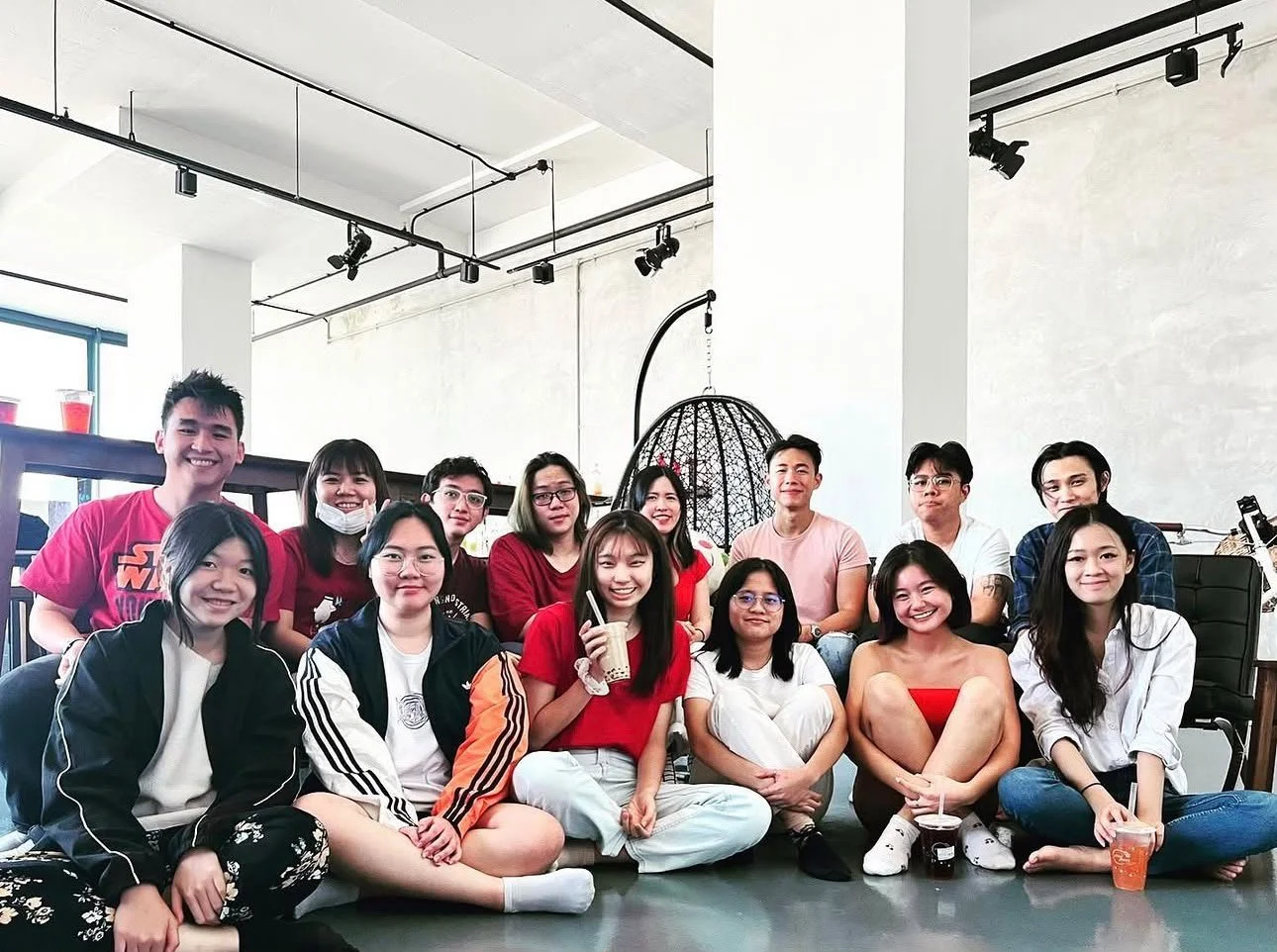
Hiring talent is only one part of the process. Managing talent is another.
Different creative professionals work in different ways. They may respond differently to feedback, deadlines, structure and client expectations.
Agency founders need to learn how to develop people, communicate expectations and create an environment where creative talent can perform effectively.
There is no single lesson that solves every talent problem. The challenges change as the company and team evolve.
Accepting the Wrong Clients
Another serious mistake was not being selective enough about clients.
When you are building a business, it is tempting to accept every available project. However, not every client is a suitable fit for the agency.
This is especially important in design because people often have very different opinions about what good design looks like.
A client may have a fixed vision that conflicts with the strategy, or they may not trust the agency to do the work it was hired to perform.
Depending Too Heavily on Advertising
Digital advertising can be useful, but it should not be treated as a guaranteed source of clients.
Platforms change, audiences become harder to target and online competition increases.
We learned to avoid relying entirely on paid advertising and developed other ways to find work, including referrals, relationships, and direct project pitches.
A lead-generation strategy should not depend on a single channel.
Accepting That the Mistakes Keep Changing
There is no point where you completely stop making mistakes.
Every year brings different challenges. Early mistakes may involve pricing, hiring or accepting the wrong clients. Later mistakes may involve team management, positioning or deciding which opportunities to pursue.
Building an agency requires continuous learning.
The lessons relevant to a small team may not be the same ones that matter when the company becomes more established.
Advice for Aspiring Branding Agency Founders
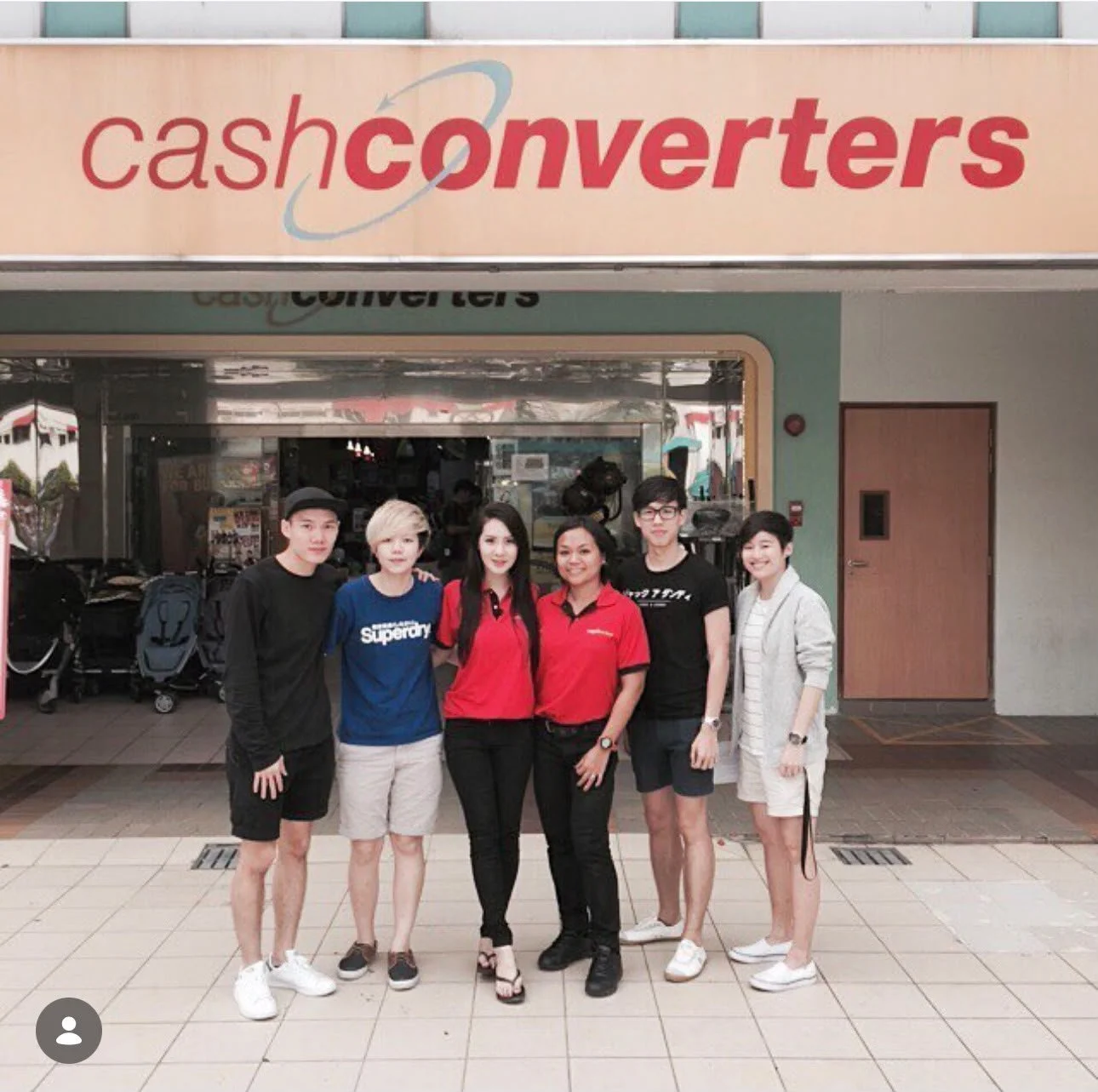
Group picture with a client of mine back then.
Build Genuine Connections
Connections are one of the most important parts of building a creative business.
When I was younger, I spent a lot of time hustling and meeting people. Those long-term relationships became valuable because design and marketing are both extremely crowded industries.
Unless you have a unique product or your marketing becomes unusually successful, you will be competing with many other providers.
People are more likely to remember, trust and recommend someone with whom they have built a genuine relationship.
Develop a Clear Point of Difference
Branding, graphic design, digital marketing and other creative services are highly competitive.
Many agencies and freelancers are offering similar work at different price points.
You may feel like you are one in a million, but in this context, that often means there are a million other people a client could hire.
Your agency cannot rely only on saying that it produces good work. Almost every agency makes the same claim.
Your positioning should clarify who you work with, what problems you solve and what makes your approach distinctive.
That distinction may come from your process, industry experience, strategic thinking, service model or the types of clients you understand particularly well.
Learn the Business Beyond Design
Running a branding agency is not only about creative work.
You also need to understand accounting, finances, project management, business development, contracts, hiring and team management.
Many of these responsibilities may have nothing to do with the reason you originally entered the creative industry, but they become essential once you are responsible for a company.
An agency founder needs to become multidisciplinary.
You have to think about whether the business is financially sustainable, whether projects are profitable, whether employees have the support they need and whether clients are receiving the expected standard of work.
Creative skill is important, but it is only one part of running the company successfully.
Use AI Without Neglecting Fundamentals
AI will continue to influence the creative industry.
Agency founders should not ignore it, but they also should not assume that it replaces creative understanding.
The strongest designers will know how to use new tools while still understanding strategy, communication and the fundamentals of design.
Technology should make the work stronger, faster or more efficient. It should not become a way to avoid developing the skills needed to make good decisions.
Would I Start a Branding Agency All Over Again?
There are two ways I think about this question.
At this point in my life, after spending many years building and running the agency, I would probably want my next chapter to involve something different. I have learned a great deal from the experience, and it is always valuable to explore new challenges.
However, if I could go back in time and make the decision again without knowing how everything would turn out, I would still start the agency.
The journey has been enjoyable, fulfilling and educational.
It allowed me to work on creative projects, build a team and learn about many different parts of business.
Most importantly, it showed me that agency ownership is not only about branding or digital marketing. It is also about people, finances, operations, decision-making and constant learning.
Those multidisciplinary experiences have been some of the most valuable parts of the journey, and they are why I would choose the same path again.