
The Importance & Relevance of OOH Advertising in the Age of Digital & AI
Out-of-home advertising remains relevant even as more of our lives move online.
People may spend a lot of time looking at their phones, but they still notice what surrounds them when they commute, visit shopping malls, attend events or move through public spaces.
Outdoor advertising and in-person brand experiences continue to provide businesses with ways to reach people beyond their personal screens.
The more important question is not whether OOH still matters. It is whether the advertisement or experience is effective enough to capture attention, reinforce the brand and give people a reason to engage.
What Are the Main Types of OOH Advertising?
Outdoor Advertisements
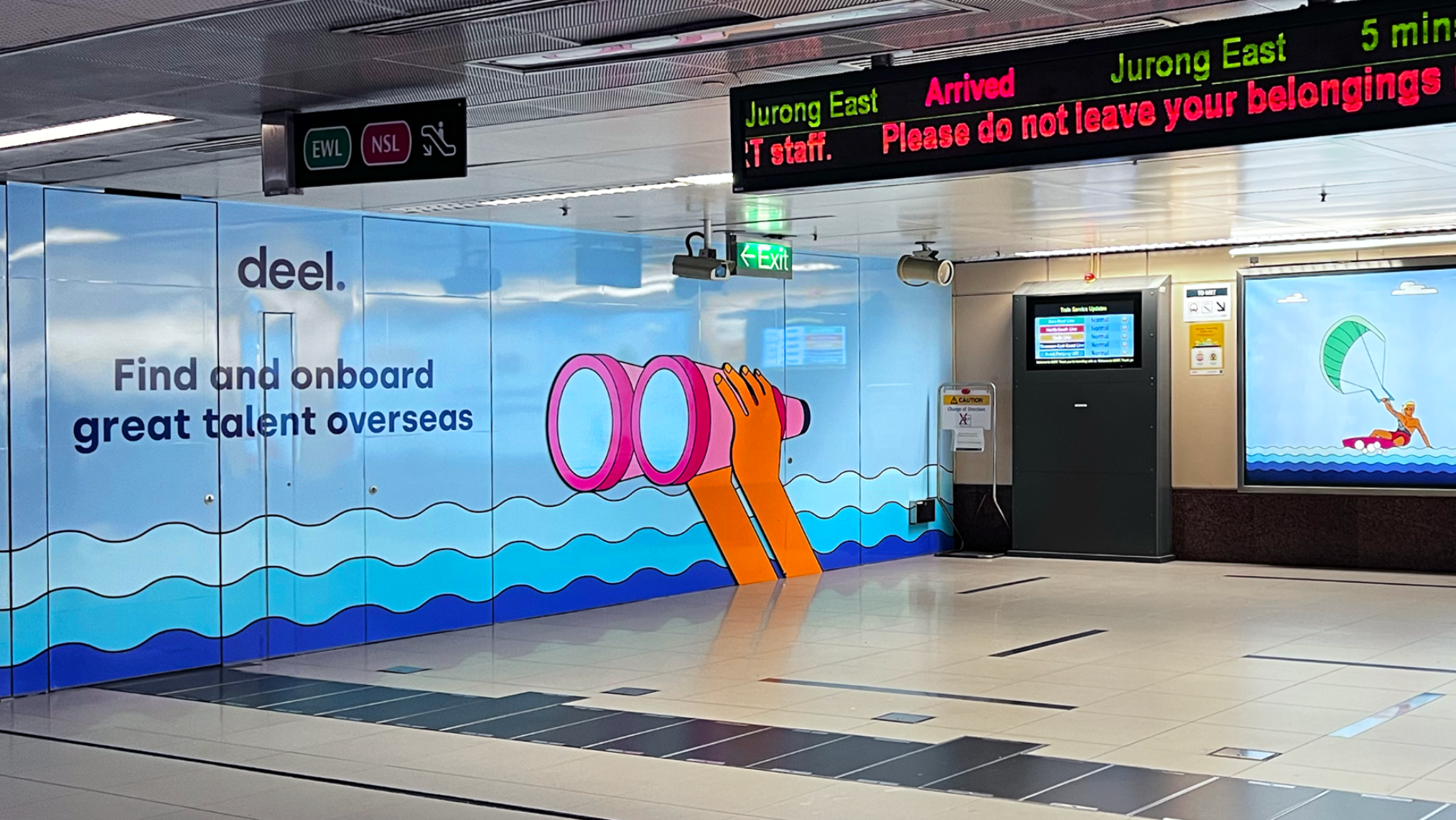
Out-of-home advertising generally includes advertisements that people encounter outside their homes.
These advertisements can appear in shopping malls, bus stops, lift lobbies, train stations and other public spaces. Essentially, OOH includes the advertisements people see while travelling, commuting or spending time outside.
The format gives brands a visible presence within the physical environments their audiences move through.
Digital and Interactive OOH
OOH advertising can also include digital and interactive elements.
Some outdoor advertisements use digital interfaces, QR codes or augmented reality to connect what people see in a physical space with something they can access on their own screens.
For example, someone may see an outdoor banner and scan a QR code to continue the experience online. This creates a connection between the physical advertisement and the digital interaction.
Exhibitions, Roadshows and Brand Experiences
I also consider exhibitions, roadshows and other physical activations an important part of out-of-home marketing.
These formats allow people to interact with the brand rather than simply look at an advertisement.
They can speak to someone, try a product, attend a workshop or understand the broader experience surrounding what the company offers.
How Has OOH Advertising Evolved?
OOH Has Become More Interactive
OOH is no longer limited to static posters or billboards.
Digital interfaces can now make outdoor advertising more interactive. People can scan a code, access more information or continue the experience on their phones.
This gives audiences something to do after noticing the advertisement instead of ending the interaction at the initial impression.
Physical and Digital Touchpoints Now Work Together
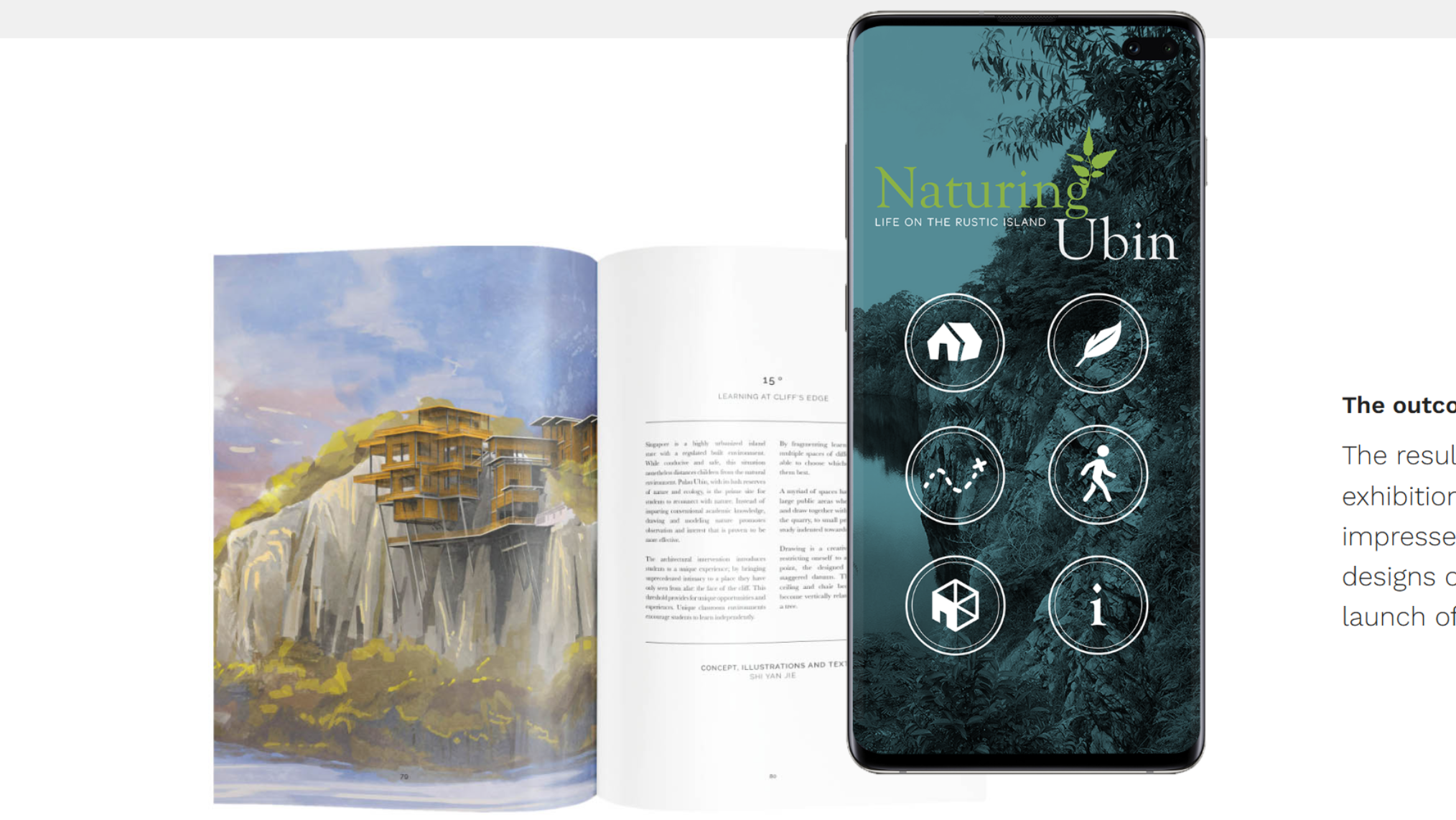
An app designed by Sixmoredays for the Naturing Ubin exhibition organised by NUS.
An advertisement can capture someone’s attention in a public space and then direct them towards a digital experience.
Even something as simple as a QR code can connect an outdoor banner with content, an activity or another interface on the person’s screen.
Brand Experiences Have Become More Important
Experiences have become an increasingly important part of OOH.
People can purchase almost anything online, but there are still situations where they want to interact with a product or speak to someone in person.
Wedding roadshows are one example. People may be able to find dresses, planners and other services online, but many still want to try the dress, meet the people involved and understand what they are paying for.
The physical experience gives them something that digital communication alone may not provide.
Campaigns Can Educate Instead of Only Selling
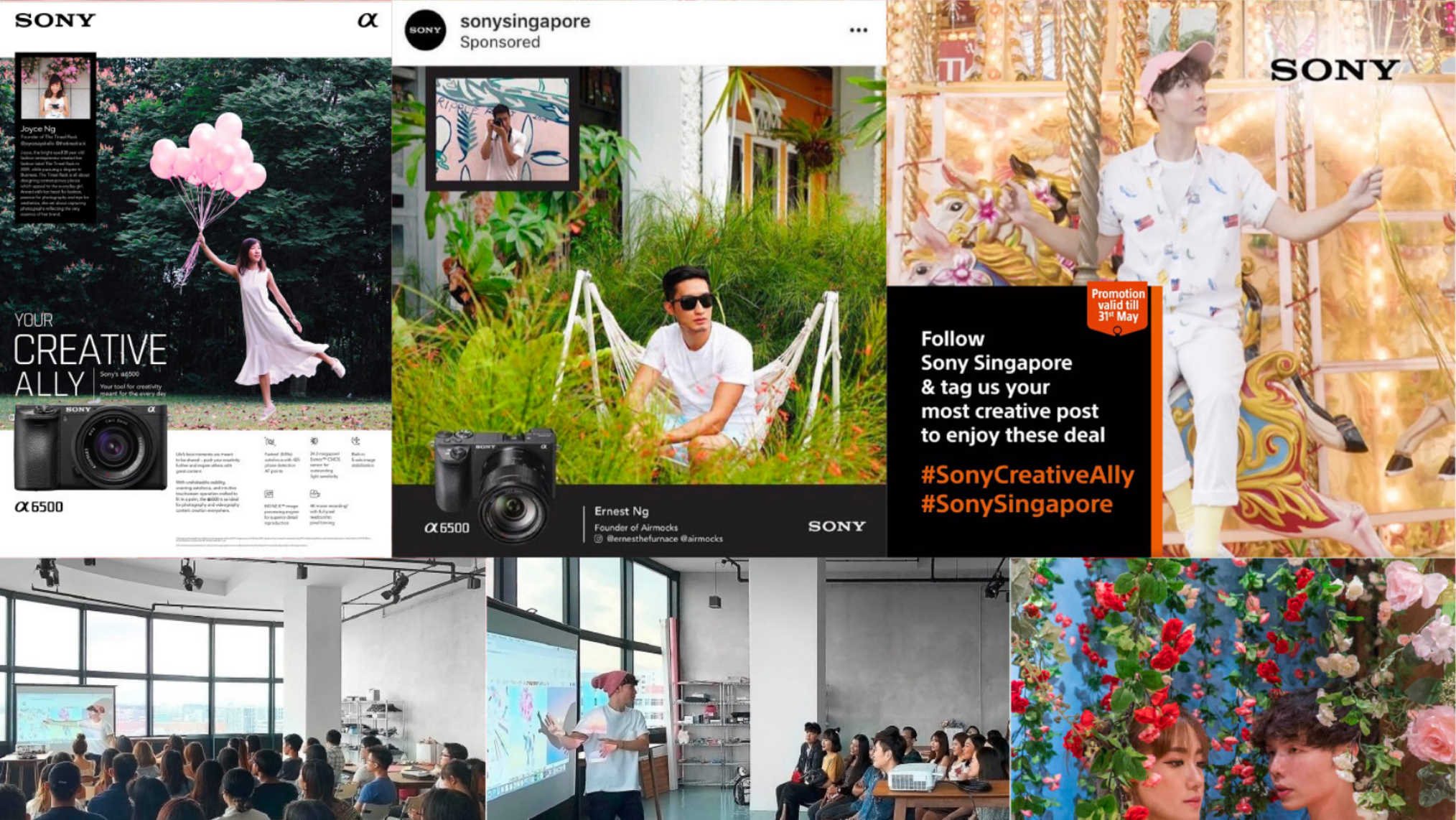
An effective physical activation does not have to focus entirely on selling the product.
For example, we worked on a Sony camera campaign that included workshops on how to use the camera. The experience also covered areas such as finding the right angles, editing photographs and creating photo books.
The campaign was not only about asking people to buy a camera. It supported different parts of the customer’s journey and showed an interest in the hobby surrounding the product.
That creates a deeper connection than simply advertising the camera.
Why OOH Still Matters in a Digital-First World
People Still Notice Their Physical Surroundings
There is an assumption that people are constantly glued to their phones.
However, when people travel, commute and spend time outside, they still see the advertisements and environments around them.
OOH continues to reach people during these everyday journeys.
Its effectiveness depends on whether the advertisement itself is strong enough to attract attention and communicate something memorable.
Established Brands Can Reinforce Recall
OOH can be particularly useful for brands that already have an established presence.
McDonald’s, for example, may not need to explain what it sells every time it advertises. A red background and the yellow arches can already be enough for people to recognise the brand.
In this situation, the advertisement does not need to introduce something completely new. It reminds people that the brand exists and may encourage them to consider getting a meal.
OOH Gives Brands a Physical Presence
Digital advertisements appear on personal screens, while OOH exists in the environments people share.
An outdoor placement gives the brand a visible physical presence in locations such as stations, shopping malls and public areas.
This allows people to encounter the brand as part of their surroundings rather than only through an online platform.
Physical Experiences Support Important Decisions
People may be willing to make many purchases online, but they still value in-person experiences when the decision feels important.
They may want to meet the people providing the service, test the product or understand exactly what they are receiving.
Roadshows, exhibitions and workshops create these opportunities by giving people direct contact with the brand.
Experiences Can Build a Connection Around the Product
A strong OOH experience can show customers that the brand understands more than the immediate transaction.
An alcohol brand, for example, could create an experience around the setting, atmosphere and occasions associated with its product rather than only showing an advertisement asking people to buy a bottle.
Similarly, the Sony camera workshops supported the customer’s broader interest in photography.
These experiences allow the brand to become part of the activity surrounding the product.
Why OOH May Become More Valuable as Digital Media Expands
People Still Want Experiences That Feel Real
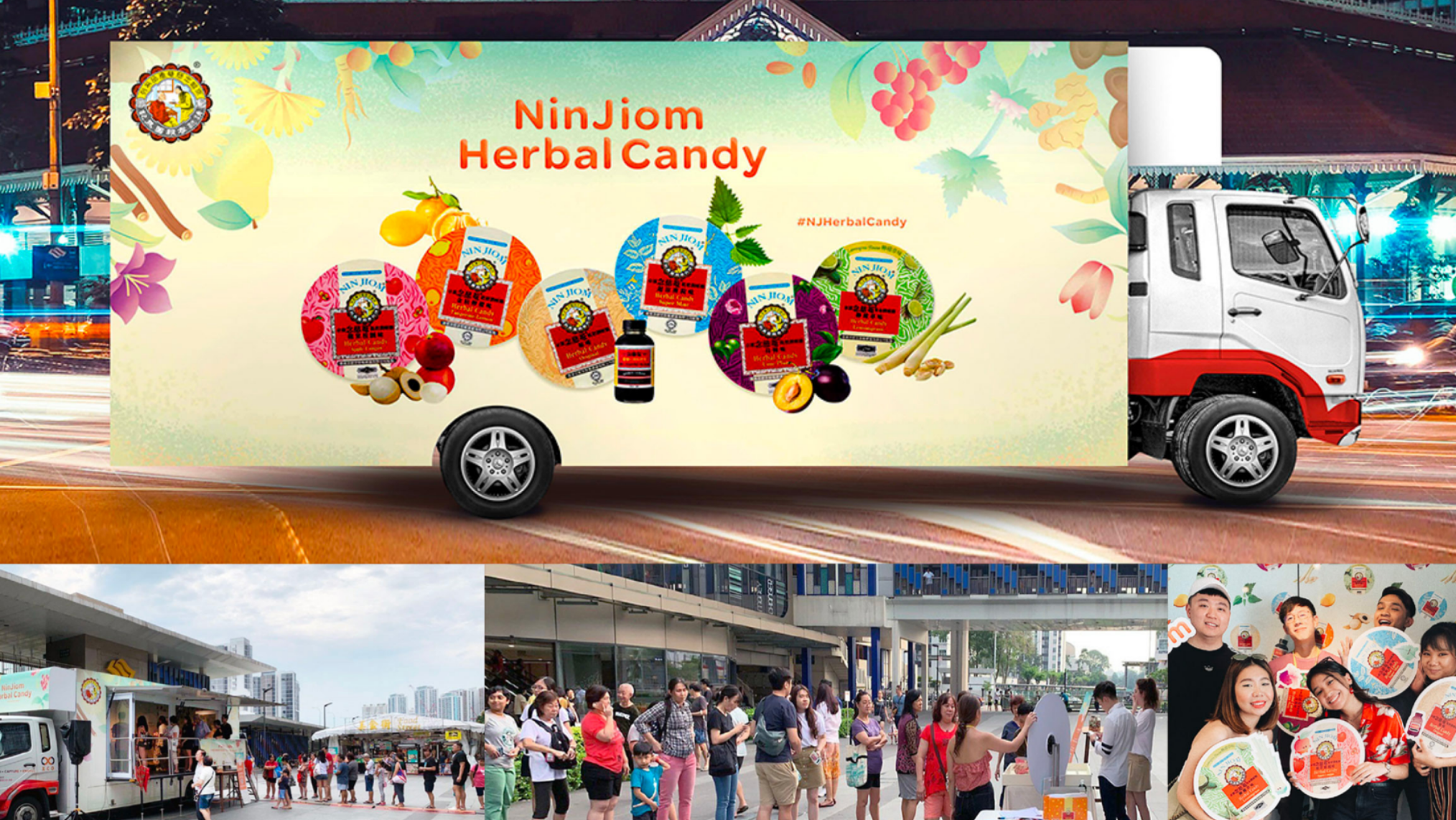
As more products and services become available online, physical experiences continue to provide something different.
People still want to see what is around them, interact with real products and speak to the people behind a service.
That makes physical touchpoints valuable, particularly when customers want more confidence before making a decision.
In-Person Interaction Offers Something Digital Cannot
Digital platforms are useful for providing information and making products accessible.
However, they cannot completely replace every type of interaction.
Trying on a wedding dress, speaking to a service provider or learning how to use a camera are experiences that benefit from being conducted in person.
OOH activations can create space for those interactions.
Physical Experiences Can Work Alongside Digital Interfaces
The future of OOH does not have to involve rejecting digital technology.
Interactive displays, QR codes and other interfaces allow physical campaigns to connect with online experiences.
The physical advertisement can attract attention, while the digital component gives the audience a way to continue engaging with the brand.
OOH Remains Relevant When It Gives People Something Worth Experiencing
OOH is still relevant, but placing an advertisement outdoors does not automatically make it effective.
Brands need to consider what the advertisement is communicating, whether the audience will recognise it and what they should do after seeing it.
For established brands, OOH can reinforce recall and remind people about something they already know. For campaigns built around exhibitions, workshops and roadshows, it can create direct experiences that help people understand the product more deeply.
The strongest campaigns can also connect physical and digital touchpoints through tools such as QR codes and interactive interfaces.
OOH is therefore not competing with digital marketing. It is becoming more effective when the physical and digital parts of the campaign work together.