
Top Creative Marketing Strategies for Matcha Brands
When I was roped in to help with Nannanmatcha when it launched, I quickly realised that selling matcha was neither just about having a good drink nor the aesthetics.
It is about storytelling, customer relationships, product presentation, and creating a brand experience that people actually remember.
The matcha space in Malaysia was growing, but many brands were still marketing themselves in a very transactional way: post the product, promote the drink, make the sale, and move on. For us, I wanted the brand to feel more personal.
I wanted customers to know the people behind the drinks, understand our story, and feel like they were part of a community. And creative marketing is an excellent way to do this.
Why Matcha Brands Need Creative Marketing
Creative Marketing Helps Matcha Brands Stand Out In A Growing Market
When we started Nannanmatcha, I could already see that matcha was becoming more popular in Malaysia. More people were drinking matcha, more brands were entering the space, and the demand was steadily growing.
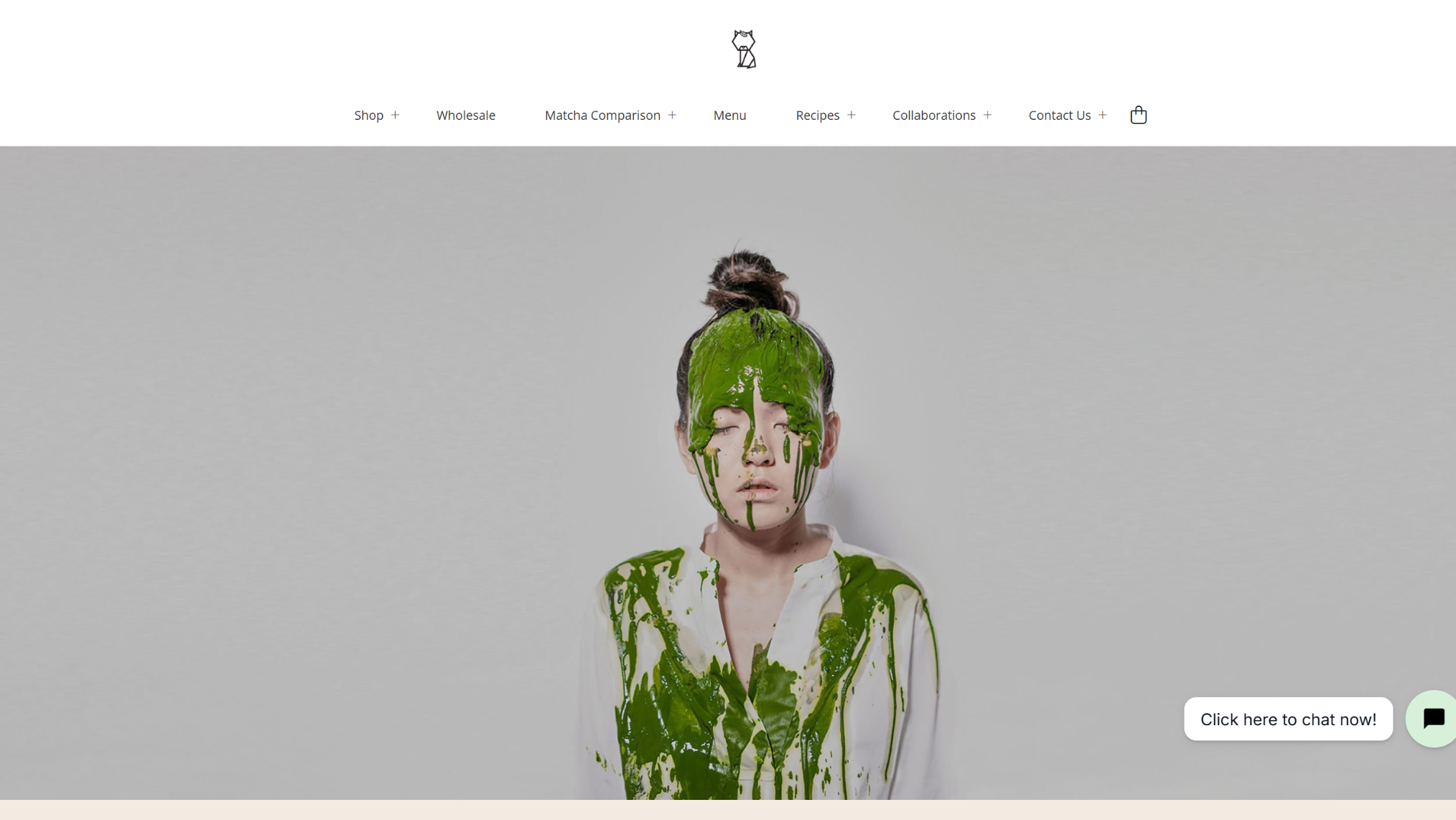
Niko Neko is a popular matcha brand in Malaysia.
But at the same time, I noticed a gap.
A lot of matcha brands were still marketing themselves in a very straightforward way. They would focus on the drink, the price, the promotion, and maybe a few product shots. There was nothing wrong with that, but I felt that there was an opportunity to build something with more personality.
For me, creative marketing was about giving people a reason to remember us, talk about us, and feel connected to the brand.
That was one of the reasons why we wanted Nannanmatcha to feel different. We did not want to be just another matcha stall where people buy a drink and leave. We wanted to build a brand that people could recognise, relate to, and eventually feel part of.
Creative Marketing Builds A Stronger Customer Community
From the beginning, community was a big part of what we wanted to build.

Our community member (L), myself, and my Co-founder.
A lot of matcha experiences are very transactional. You order, you pay, you collect your drink, and you go. But for us, we wanted the experience to feel more personal. We talked to our customers before they bought, after they bought, and while they were waiting for their drinks.
Over time, that changed the way customers interacted with us. Some of them became attached to the brand. Some recommended us to their friends. Some even travelled from Penang Island to the mainland just to support us at our booths.
That was when I realised that creative marketing is not only about what happens online. It is also about how people feel when they meet the brand in real life.
The jokes we made, the conversations we had, the way we introduced our team, and the way we brought customers into our world all became part of the brand experience. That kind of connection is difficult to create through discounts alone.
Creative Marketing Can Drive Organic Growth Without Ads
One of the biggest reasons I believe in creative marketing is that I have seen it work for us organically.
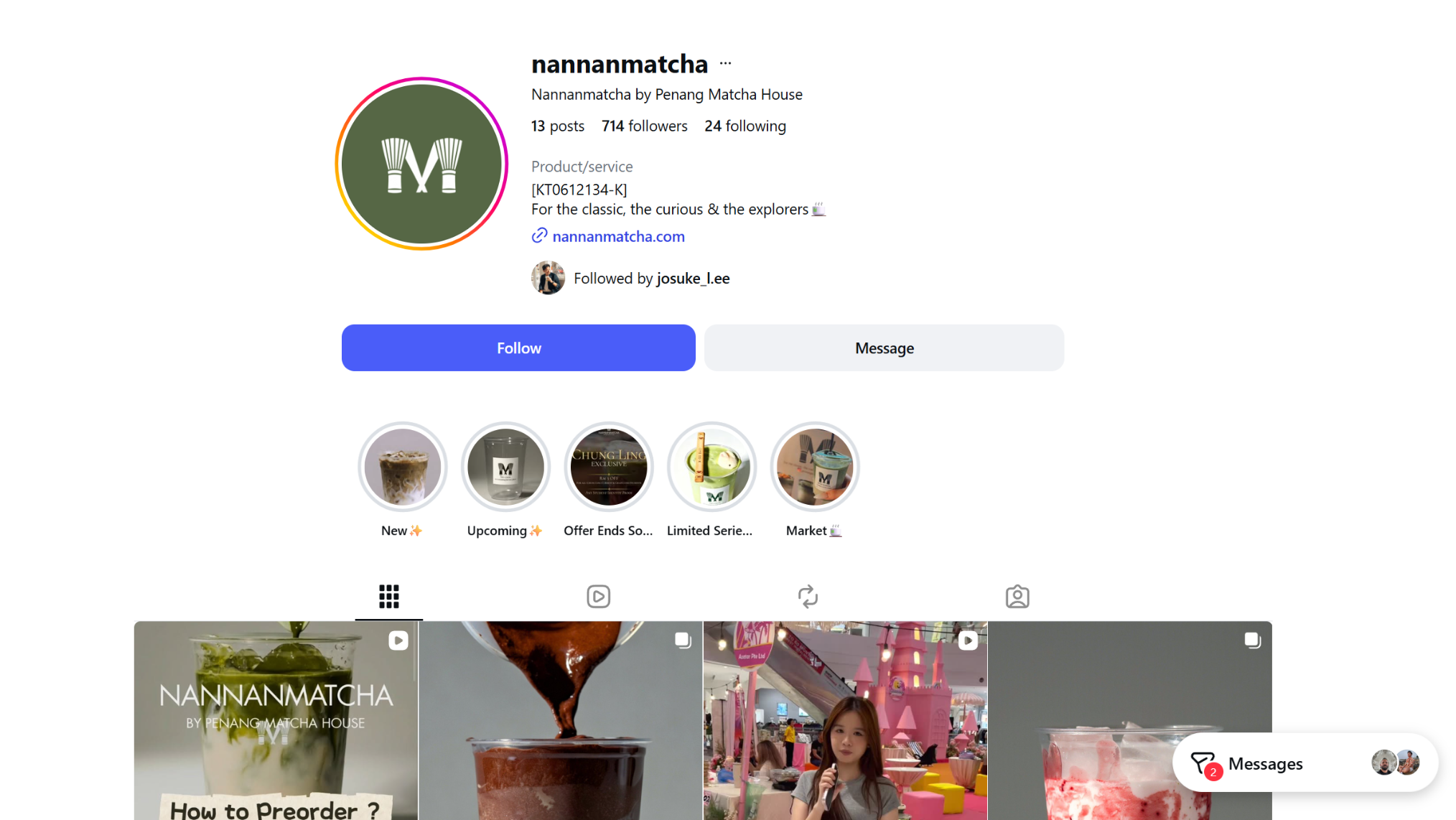
At one point, we reached around 109,000 profile views in a month despite having only three posts. We also grew around 400 followers in about one and a half months, with roughly 100 new followers every week.
We were not running ads at that time. The growth came from the creative direction, the product visuals, the positioning, the customer relationships, and word of mouth.
That experience gave me a lot of confidence. It showed me that when your brand has a clear identity and your creatives make people curious, you do not always need a huge advertising budget to get attention.
Of course, ads can help when the timing is right. But before spending money on ads, I think matcha brands should first understand what makes them worth paying attention to.
Top Creative Marketing Strategies
Tell Your Brand Story In Person
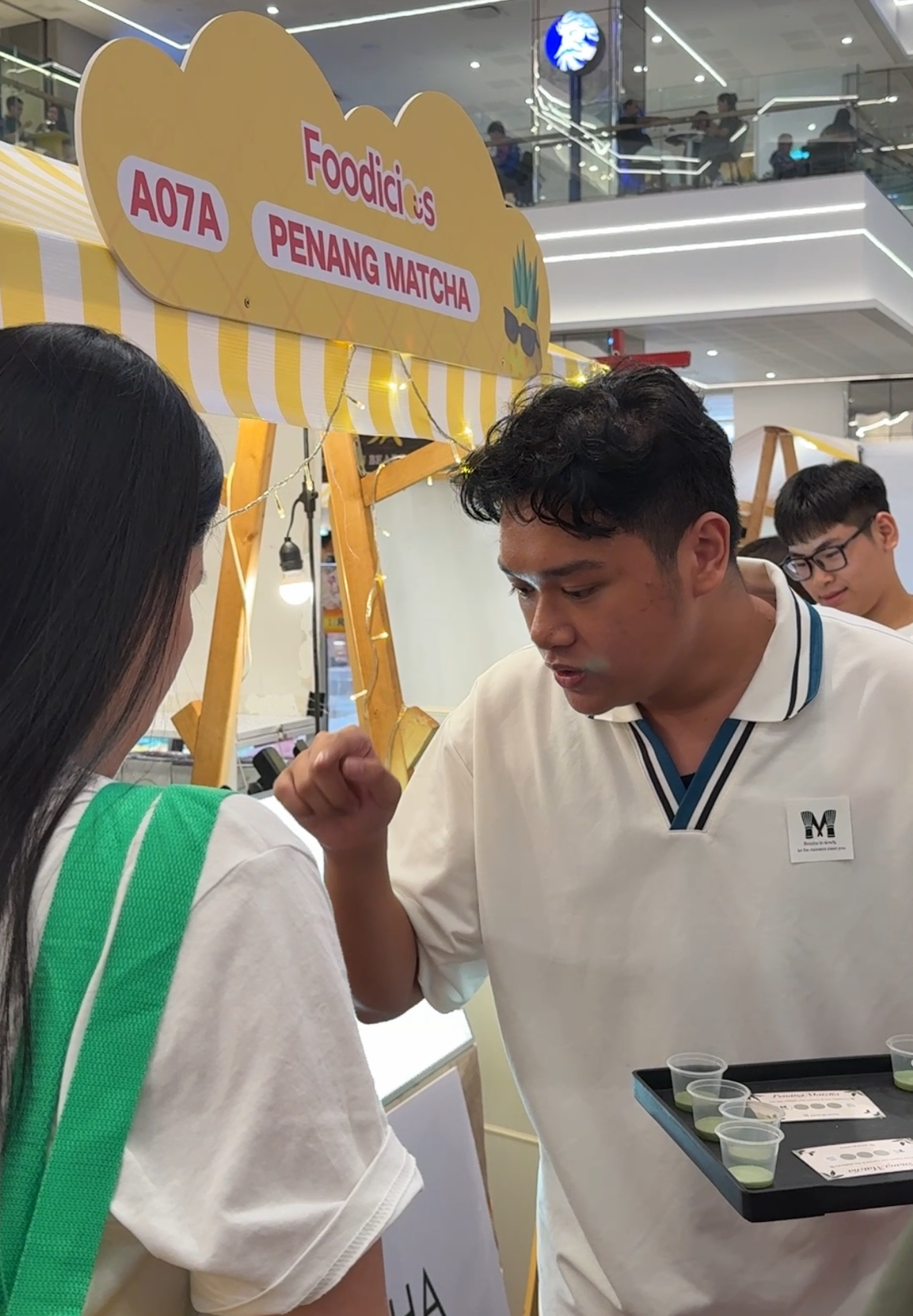
Me speaking to a customer.
One of the biggest turning points for me happened at a market.
A customer walked past our booth, and he did not know much about matcha. He was not even someone who naturally liked matcha. But instead of only trying to sell him the drink, I told him our story.
I shared why we started, our background, our drive, and what we were trying to build with Nannanmatcha. After that conversation, he bought five drinks from us.
That moment changed the way I saw marketing.
It proved to me that storytelling can sell, especially when it is honest and human. People do not only buy because of the product. Sometimes, they buy because they understand the people behind the product.
After that, I started using storytelling more intentionally in other markets. I would speak to customers in English, Chinese, or Malay, depending on who I was talking to. That helped me connect with different customer groups and create a more personal sales experience.
For matcha brands, offline storytelling is powerful because the customer is right in front of you. You can explain your brand, answer questions, read their reaction, and make the interaction feel human.
Use Intentional Product Photography And Set Design
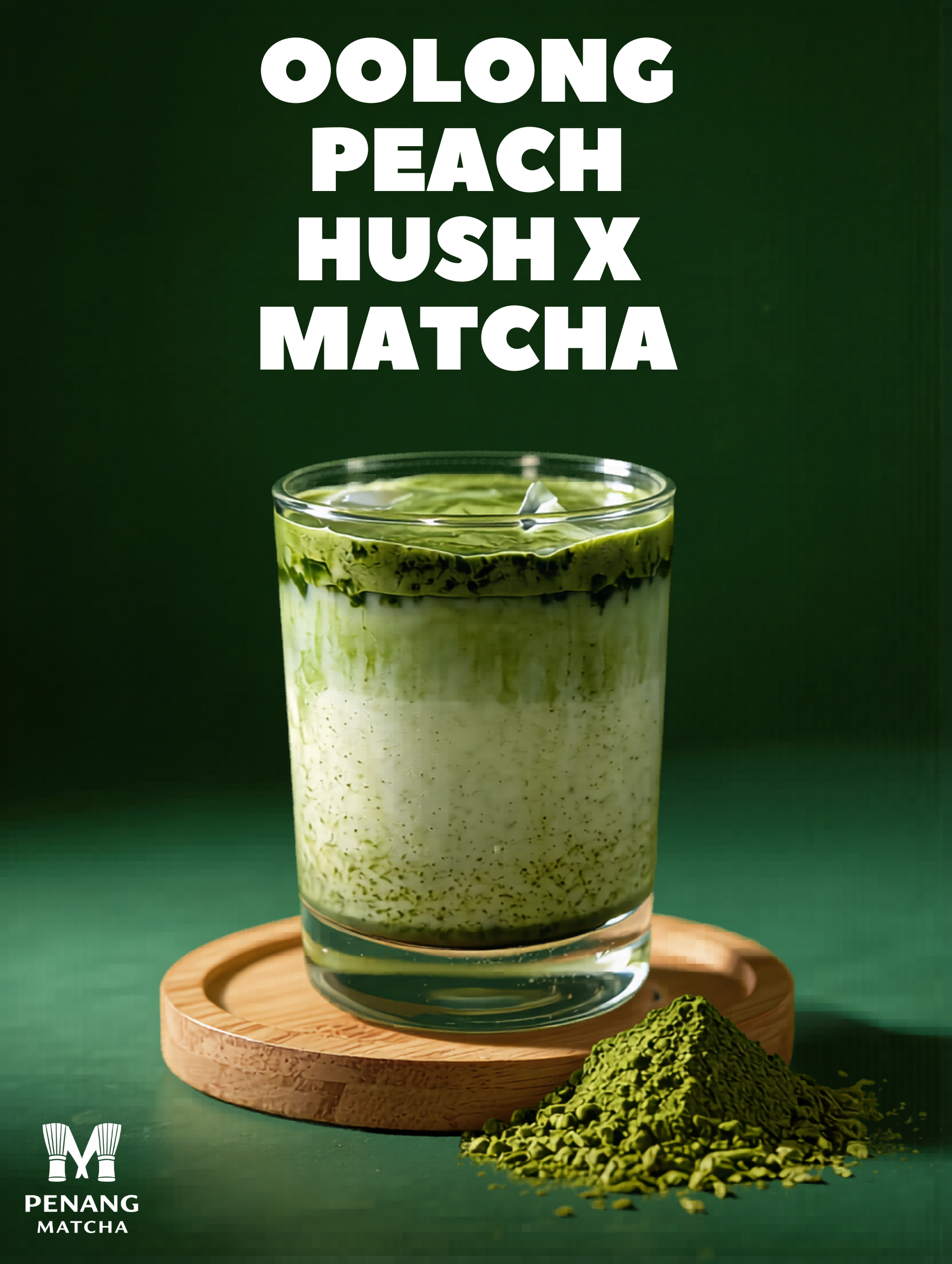
An early draft the AI slop we generated but ended up not using.
In the beginning, our product visuals were not where we wanted them to be.
During our soft launch, we used AI-generated images for some of our product visuals. But we quickly realised that they did not feel real. They looked fake, and they did not properly represent the drinks we were selling.
When markets asked us for product photos, they wanted real images. They wanted to see the actual drinks, not something that looked like it was generated.
That pushed us to take our visuals more seriously.
We became more intentional with our product photography. We thought about the scene, the mood, the colours, and the way the drink should be presented. We wanted the visuals to create a more premium feeling around the brand.
For a matcha brand, product photography matters because matcha is visual. People often decide whether they want to try a drink based on how it looks. If the drink looks attractive, refreshing, and well-presented, it becomes easier for people to imagine themselves buying it.
Build A Brand World, Not Just A Product Menu
I believe customers should feel like they are entering a brand world, not just buying from a menu.
For us, that means showing customers what happens behind the scenes. We introduce the people in our team. We joke with customers while they wait. We let them see our personality instead of hiding behind the product.
This makes the brand feel more alive.
When people know the faces behind the drinks, they feel closer to the brand. They are no longer just buying matcha from a random stall. They are supporting people they recognise and enjoy interacting with.
That is also why I think matcha brands should not only focus on promotions. Promotions can bring short-term sales, but a strong brand world gives people a reason to keep coming back.
Create A Membership System That Rewards Loyalty
Another strategy that worked for us was creating a membership system.
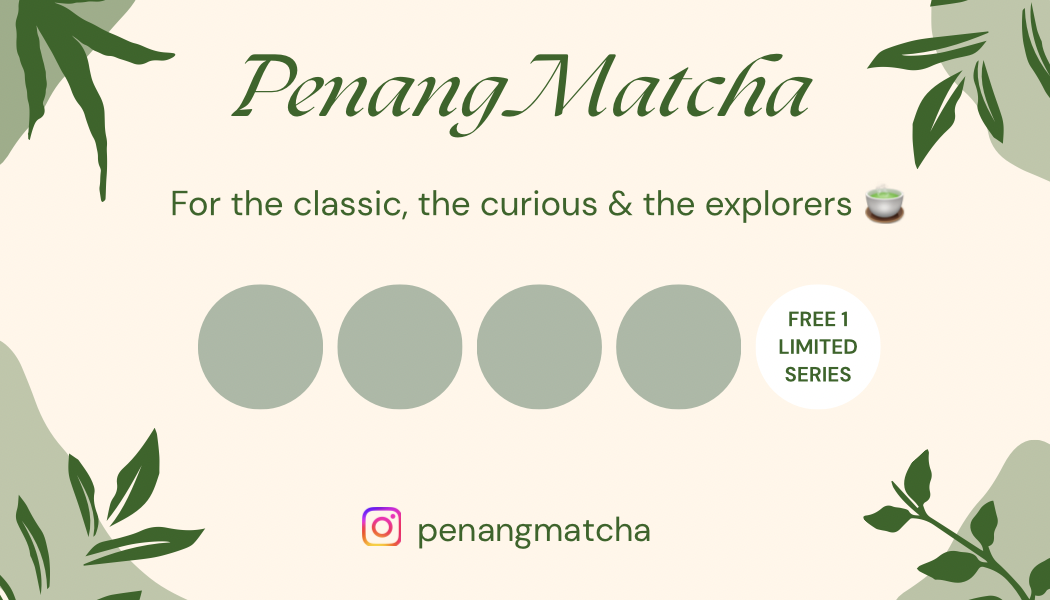
For Nannanmatcha, customers can get a free drink after buying five drinks. After that, they can also enjoy discounts and get sneak peeks of upcoming flavours.
This helped us keep customers engaged beyond one purchase.
If someone already loves matcha, they naturally want to know what is coming next. Giving them early access or sneak peeks makes them feel included. It also gives them a reason to follow our updates and come back when we launch something new.
A membership system does not need to be complicated. The main idea is to reward people who support the brand and make them feel like they are part of something.
Launch New Flavours To Keep Customers Curious
New flavours have been one of our most useful creative marketing tools.
Matcha is often seen as just a green drink, but we wanted to play with that perception. We experimented with different colours, ingredients, and flavour combinations.
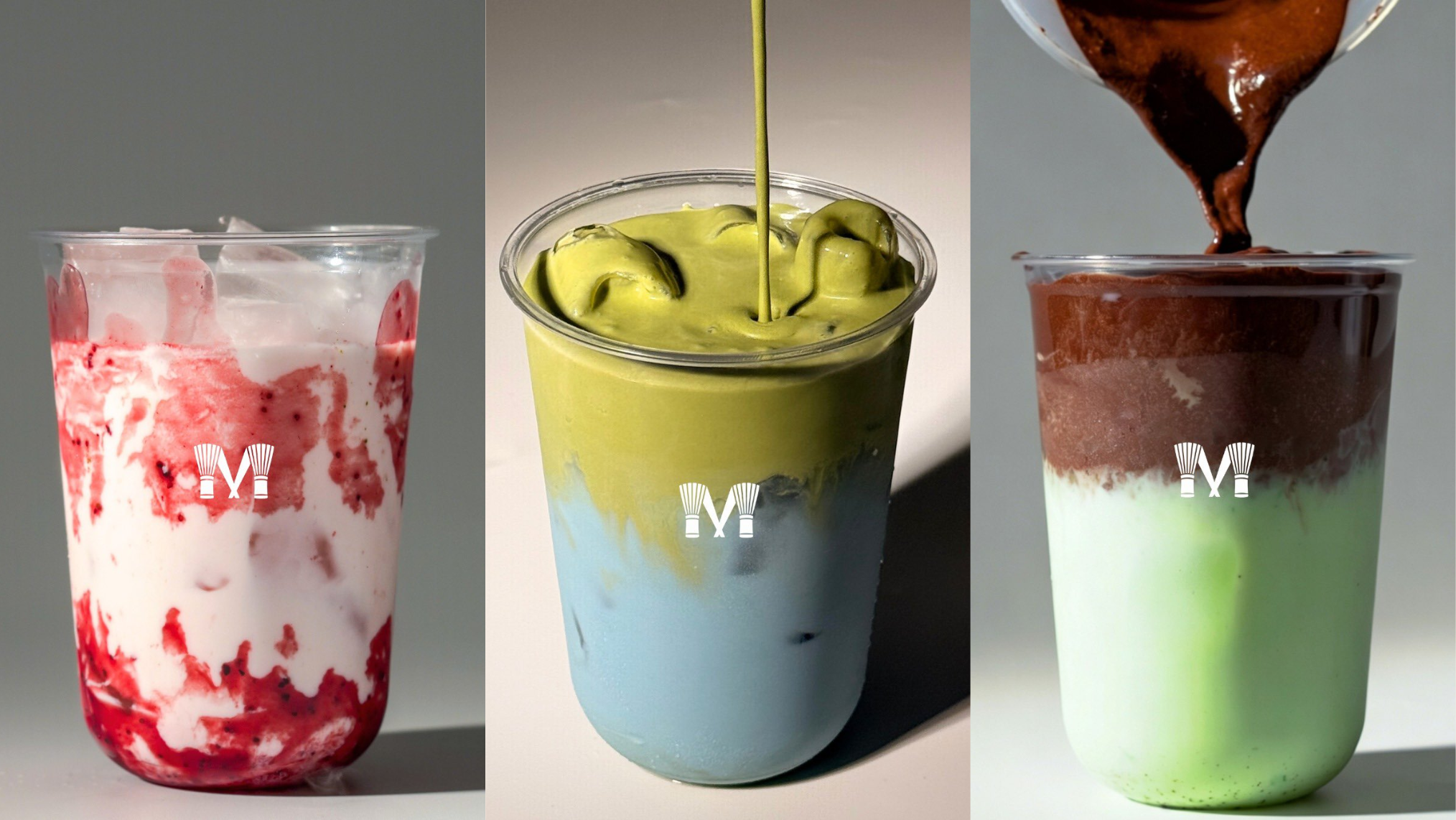
We launched Berry Bloom Matcha, Matcha Mochi Cloud, and Choco Mint flavours!
For example, we tried drinks like blue pea matcha, strawberry matcha, and coconut matcha. These flavours helped make the product feel more exciting and gave customers something new to look forward to.
But we also learned that flavour development takes time. You need to test different powders, ingredients, and recipes. You need someone on the team who genuinely understands and loves matcha. Otherwise, the drink may look creative but fail in taste.
For us, the goal is not just to launch something that looks good. The drink still needs to taste good and fit the brand.
Use Customer Conversations To Strengthen Word Of Mouth
A lot of our growth came from customer relationships and word of mouth.
We made it a point to talk to customers, ask for feedback, and make the experience feel personal. When customers enjoyed the drink and the interaction, they naturally recommended us to others.
That is something I think more brands should pay attention to.
Creative marketing is not only about the content you post. It is also about the conversations people have after interacting with your brand. If the experience is memorable, customers become part of your marketing.
For a small brand, this is especially important because word of mouth can help you grow without spending heavily on ads.
Mistakes We Made While Running Creative Marketing Campaigns
We Used AI Visuals Before Understanding How It Affected Brand Trust
One mistake we made early on was using AI-generated images for our product visuals.
At the time, it felt like a fast way to create content. But once we started using those images, we realised they did not help the brand. They looked artificial, and they made the drinks feel less real.
That became a problem when markets asked us for product photos. They wanted actual images of the drinks, not AI visuals.
The lesson I learned is that AI can be useful, but it should not replace authenticity when it comes to brand visuals, especially for food and beverage brands. Customers want to see what they are actually buying.
For matcha brands, real product photography builds more trust than something that looks too polished or fake.
We Learned That Sales Depend Heavily On The People At The Front
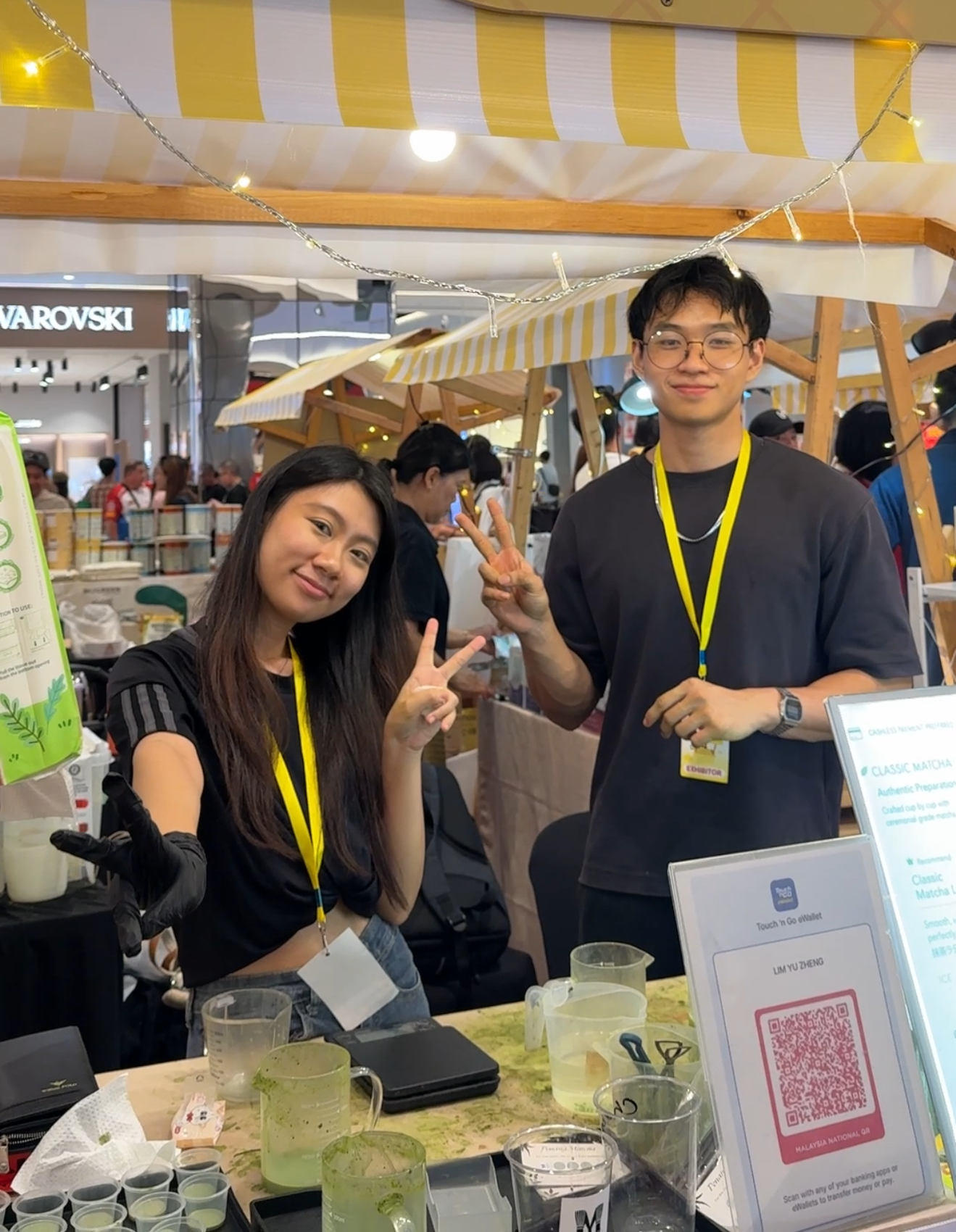
Meet the Nannanmatcha team!
Another challenge we faced was that our sales performance could change a lot depending on who was running the booth.
When my partner and I were there, we could push sales to around RM3,000 to RM5,000. But when we were not there, sales could drop quite significantly.
That taught me that creative marketing is not only about the brand assets. It is also about execution.
At a physical booth, the person at the front matters. They need to know how to attract people, offer samples, explain the product, and make customers feel comfortable. If the front-end experience is weak, even a strong brand can lose sales.
For small brands, this is a very practical lesson. You cannot rely only on the founders forever. Eventually, you need to train your team to understand the brand, the story, and the way you want customers to feel.
We Realised Markets Can Be Inconsistent For Cash Flow
Running booths at markets and events helped us grow, but it also came with challenges.
Some events had good traffic. Some did not. There were booking fees, staffing needs, preparation costs, and a lot of uncertainty. Because of that, markets were sometimes only break-even from a cash flow perspective.
That does not mean markets were a bad idea. In fact, they were very useful for building awareness, meeting customers, testing our pitch, and strengthening the community.
But we also realised that we needed healthier cash flow channels.
That was one reason we started looking at matcha powder packets. Compared to selling individual drinks, matcha powder has a higher order value and can be sold to both B2C and B2B customers.
The lesson is that creative marketing can bring attention, but the business model still needs to make financial sense. A brand needs both creativity and cash flow to survive.
We Had To Learn Through Trial And Error
A lot of what we did was not figured out in one day.
We started with online orders and home deliveries. Then we moved into markets. Then we started thinking about product photography, premium positioning, memberships, new flavours, and matcha powder.
Every stage taught us something different.
Some ideas worked. Some had to be changed. Some mistakes forced us to improve faster.
That is why I see creative marketing as a process. You can have a strong idea, but you still need to test it in real life. Customers will show you what they care about. Sales will show you what is working. Feedback will show you what needs to be improved.
For me, the most important thing is to stay close to the customer and keep adapting.
Final Sip: Turning Matcha Marketing Into a Brand People Remember
Running creative marketing for Nannanmatcha taught me that a strong brand is built through more than good visuals or trendy content. It comes from understanding your customers, telling your story honestly, testing ideas in real life, and creating moments that make people want to come back.
We made mistakes along the way, from using AI visuals too early to learning how much booth sales depended on the people at the front. But each mistake helped us improve the brand.
For matcha brands, creative marketing is not just a nice-to-have. It can be the reason customers notice you, trust you, and eventually support you long term.
To explore more real marketing stories, brand-building lessons, and practical growth ideas, read more articles on the markonmag blog.