
Top GEO Strategies: How AI Has Changed the SEO Landscape
AI has not killed SEO, but it has definitely changed the rules.
As a senior SEO specialist with experience across agency and in-house roles, I have seen search move from simple keyword queries to more specific, use-case-driven questions.
With AI Overviews, AI Mode, and LLMs changing how users discover information, SEO can no longer rely on keyword volume alone.
Brands now need to create specific content, build topical authority, publish original insights, and show up where users and AI systems are already looking for answers.
How AI Has Changed The SEO Landscape
Search Is Moving From Keywords To Use Cases
One of the biggest shifts I have seen is that users are becoming more specific with the way they search.
In the past, someone might search for a broad keyword like “best ceiling fan” or “best software for coaches”. They would scan the search results, click a few pages, and compare their options.
But with AI search, people are more likely to describe the exact situation they are in.
For example, instead of asking:
“What is the best ceiling fan?”
They might ask:
“What type of ceiling fan should I buy for an outdoor balcony in a humid climate, and what material lasts longest?”
That is a very different kind of search.
The query is no longer just about the product. It includes the user’s situation, criteria, environment, concerns, and decision-making factors.
This changes how we need to create content. We cannot only optimise for broad keywords anymore. We need to create content that addresses specific situations, use cases, requirements, comparisons, and questions.
Keyword Data Still Matters, But It Is No Longer Enough
I do not think keyword data is dead.
Organic search is still a major traffic driver for many websites. There are still people who traditionally use Google, and there is still value in looking at keyword volume, rankings, and click data.
But keyword data cannot be the only source of truth anymore.
In the past, many SEO campaigns were planned around search volume. You would identify a pillar topic, build content clusters around related keywords, and prioritise pages based on how many people were searching for those terms.
That still has value, especially for traditional search.
But AI search complicates this model.
The problem is that many AI prompts do not show up neatly in keyword research tools. A user might ask an AI tool a long, highly specific question that includes their product need, use case, budget, urgency, location, and comparison criteria.
That prompt might not appear as a keyword with measurable search volume, but it can still represent strong buying intent.
So my view is this: keyword data is still useful, but it needs to be paired with prompt research, customer research, sales insights, and actual user behaviour.
Informational Content Is Losing Some Of Its Click Value
AI has made basic informational content more vulnerable.
If your article only answers a simple question at a high level, AI can probably summarise it. And if users get the answer directly from AI Overviews or an LLM, they may not need to click through to your website.
This is especially true for generic “what is” content.
That does not mean informational content is useless. It means the role of informational content has changed.
If your content is generic, it may get summarised and ignored. But if your content includes original insights, first-hand experience, expert commentary, data, examples, or a specific point of view, it becomes harder to replace.
So instead of only asking, “Can this article rank?”, we need to ask:
“Does this article say anything useful that AI cannot easily recreate from existing generic content?”
SEO Is No Longer Just About Traffic
SEO used to be measured mainly through rankings, clicks, organic sessions, conversions, and revenue.
Those metrics still matter.
But AI introduces new visibility metrics that SEO teams need to pay attention to. These include citations, brand mentions, share of voice in AI results, prompt visibility, and whether your brand appears when users ask comparison or recommendation-style questions.
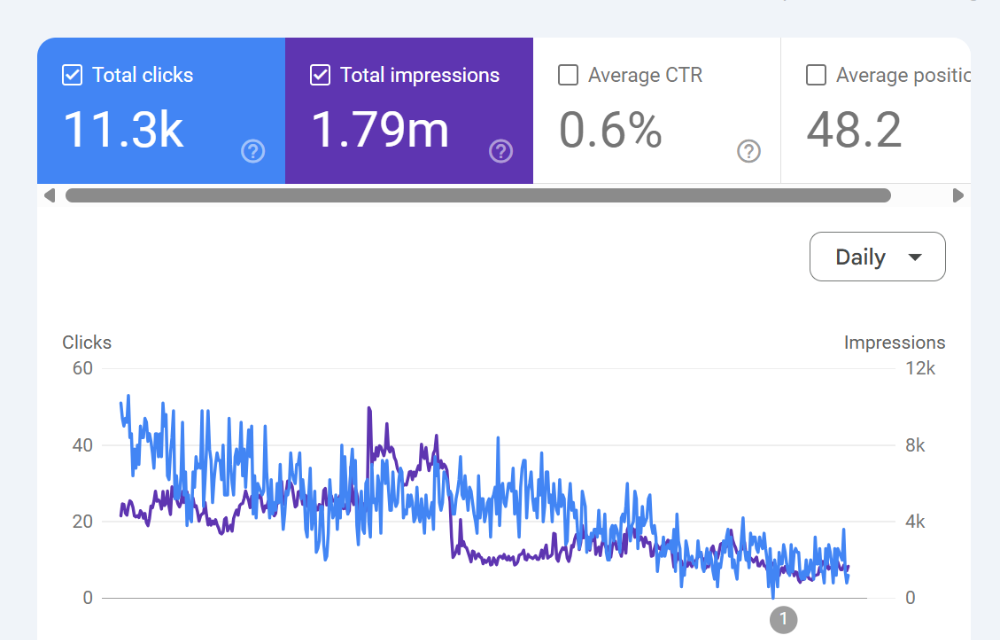
In the past, every blog post was ideally expected to rank and bring in traffic. But now, some content may not drive huge traffic and still be useful.
Some content exists to support topical authority. Some content exists to help commercial pages get cited. Some content exists to answer AI-style questions. Some content exists to improve your visibility when users ask AI tools for recommendations.
So the way we measure SEO needs to become broader.
Traffic is still important, but it is no longer the only signal of success.
AI Has Made Topical Authority More Important
From what I have seen, the pages that get cited most often in AI results are not always brand-new pages or short pages.
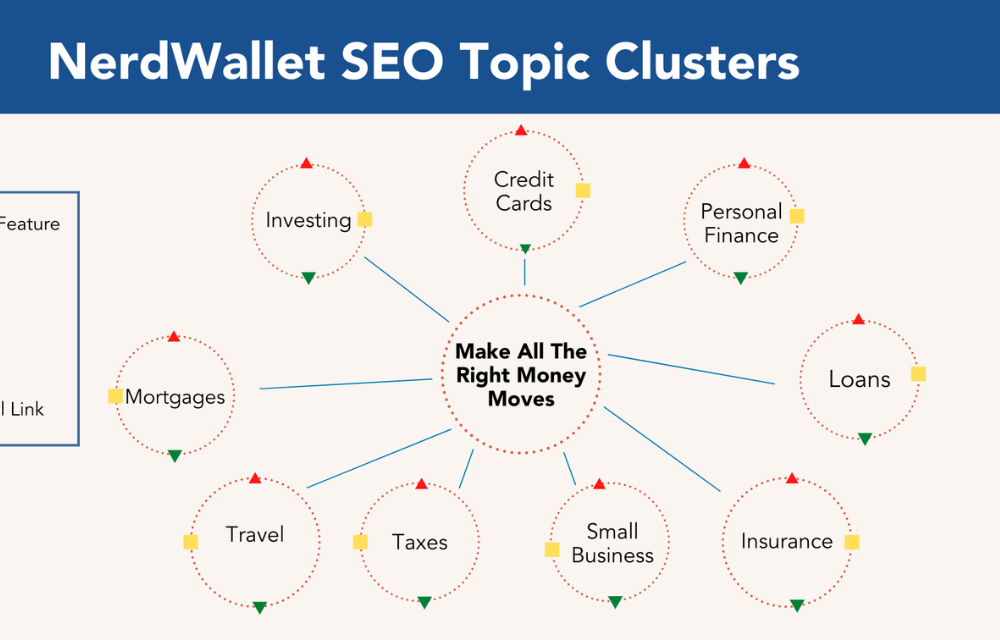
Source: Codarity
In many cases, they are pages that already have strong authority.
These are pages that have ranked well for a long time, earned backlinks, driven consistent traffic, and become recognised as useful resources on a topic.
That tells me traditional SEO fundamentals still matter.
Backlinks still matter. Rankings still matter. Internal linking still matters. Content quality still matters. Page authority and topical authority still matter.
AI may change how results are displayed, but it still needs to decide which sources are trustworthy enough to reference. If your site has already built authority in a topic, you are in a stronger position to be cited.
AI Has Made SEO Workflows Faster, But Not Easier
AI has changed how SEO teams work internally.
Tasks that used to take hours can now be done much faster. Content briefs, topic ideation, title tags, meta descriptions, competitor summaries, content outlines, and even first drafts can be produced more efficiently with AI.
But faster does not always mean better.
The value of SEO is not just in producing content. It is in knowing what content should be created, what intent it should target, what angle it should take, what commercial goal it supports, and how it fits into the wider site structure.
This is why I disagree with the idea that AI makes SEO expertise unnecessary.
AI can help with execution. But it still needs someone who understands search intent, content strategy, technical SEO, internal linking, topical authority, and business objectives.
You are not just paying for speed. You are paying for the experience behind the decisions.
SEO Strategies For AI And LLMs
Create Short, Direct Question-And-Answer Content
One of the simplest AI SEO strategies is to create short content that answers specific questions directly.
I do not mean adding a long FAQ section at the bottom of every page and hoping it gets picked up. FAQs can still help with topical coverage, but I would not rely on them as the main strategy.
Instead, create dedicated pages or articles for specific questions.
These pages do not need to be 3,000 words long. In many cases, a two- to three-minute read is enough if the answer is clear, specific, and useful.
For example, instead of only creating one broad guide about a product category, you can create supporting articles that answer questions like:
“What is the best option for this specific use case?”
“Which product works better for this situation?”
“What should I choose if I have this requirement?”
This works because AI search is often question-based. If your page gives a clean answer to a specific question, it becomes easier for both users and AI systems to understand when that page is relevant.
Build Separate Pages For Specific Use Cases
Use-case content is becoming much more important.
In the past, use-case content could be hard to justify because the search volume looked too low. A team might look at a keyword and say, “Nobody is searching for this, so why should we create a page?”
But AI search changes that.
Users are now asking very specific, long-form questions. They are not only searching for products. They are searching for products based on their personal situation.
For example, if you sell coaching software, users may not only search for “coaching software”. They might search for software for a specific type of coach, a specific workflow, or a specific client management problem.
If you sell a product that can be used for many different reasons, you should create content around those reasons.
Use-case pages may not always drive huge traffic, but they can attract more qualified users. They can also help AI systems understand the different situations where your product or service is relevant.
Use AI Search Fan-Out To Find Content Ideas
One practical way to plan AI SEO content is to study AI search fan-out.
Search for your main money keyword in an LLM and look at what the AI talks about around that topic.
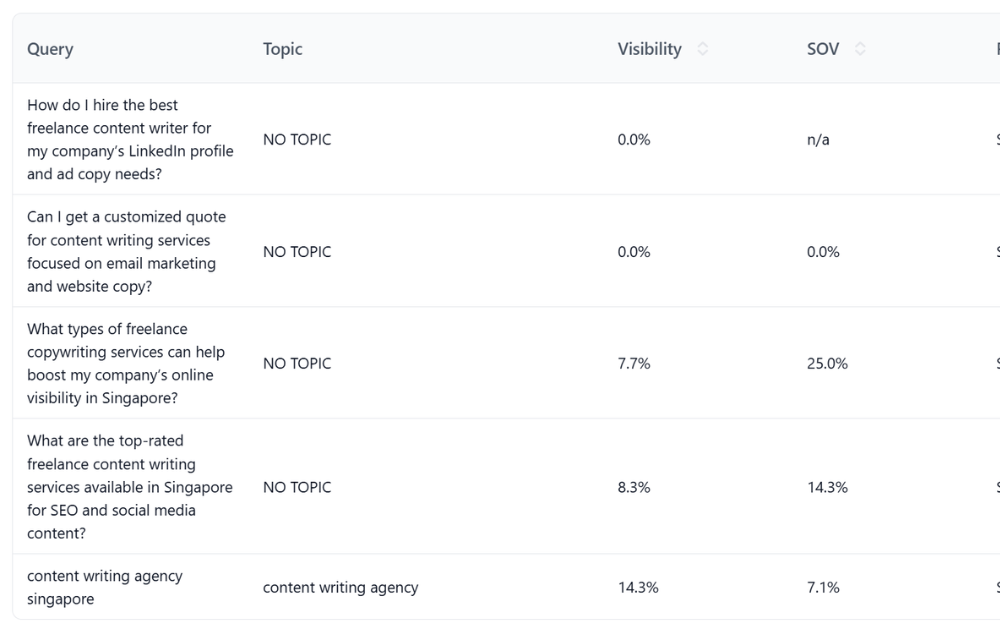
For example, if you search for a product category, the AI might mention materials, durability, price, use cases, indoor versus outdoor usage, comparisons, maintenance, safety, or buying criteria.
Each of those angles can become a content opportunity.
The goal is to understand what topics AI systems associate with your core product or service. Once you know those topics, you can create dedicated pages that answer each question clearly.
This is useful because AI-generated answers often combine multiple subtopics into one response. If your site has strong content covering those subtopics, you give AI systems more relevant pieces to pull from.
Break Big Topics Into Smaller Content Pieces
A common mistake is trying to address every possible user requirement in a single giant article.
But AI prompts are often multi-layered.
A user might ask for a product that fits a specific size, material, budget, location, use case, and timeline. It is difficult for a single page to address every possible variation well.
A better approach is to break complex topics into smaller content pieces.
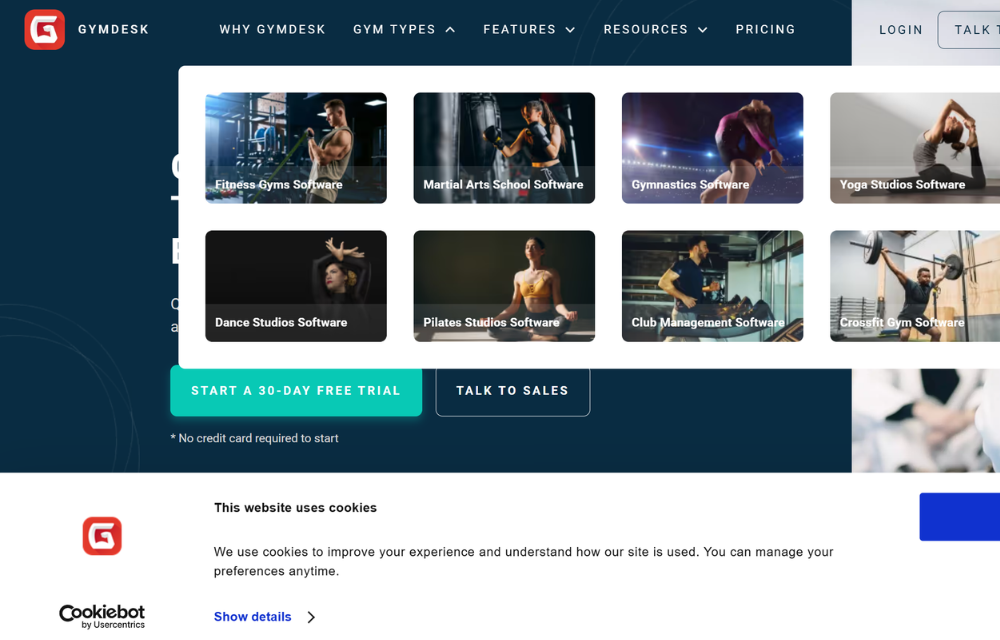
Gymdesk is a good example of creating use case pages for different types of fitness studios
Create separate pages for different questions, use cases, comparisons, objections, and decision criteria. Then connect those pages through strong internal linking.
This creates a library of useful answers around your topic.
It also makes it easier for AI systems to understand your topical depth. Instead of having one oversized article, your site becomes a structured knowledge base with multiple clear, specific answers.
Use Customer And Sales Conversations For Content Research
Customer-facing teams are one of the best sources of content ideas.
If you have a sales team, customer success team, support team, or account management team, they are sitting on valuable content insights.
These teams hear the actual words customers use. They know the objections, questions, concerns, and decision-making criteria that appear before someone buys.
That information can be turned into useful SEO content.
For example, if customers keep asking whether a product works for a specific use case, that can become a dedicated article. If prospects keep comparing your product with another option, that can become a comparison guide. If users keep misunderstanding a feature, that can become an educational page.
This matters even more in AI SEO because AI-style searches often sound like real customer questions rather than traditional keywords.
Publish First-Hand Insights, Not Just Generic Advice
AI can summarise generic advice very easily.
So if you want your content to stand out, you need to include first-hand insights, experience, expert commentary, and original points of view.
This does not mean simply saying, “Our customers like this feature.” That is too sales-driven and not very useful on its own.
A stronger approach is to identify patterns from real data or real experience.
For example, if you run a software platform, you could analyse how users achieve better outcomes with different workflows. If you run an e-commerce brand, you could study which product features affect purchase decisions. If you run a service business, you could use client-facing insights to understand the real questions customers ask before buying.
The key is to create content that gives users something they cannot easily find elsewhere.
That is what makes the content more useful, more linkable, and more likely to support topical authority.
Strengthen Page Authority With Backlinks And Digital PR
Off-page SEO still matters in AI search.
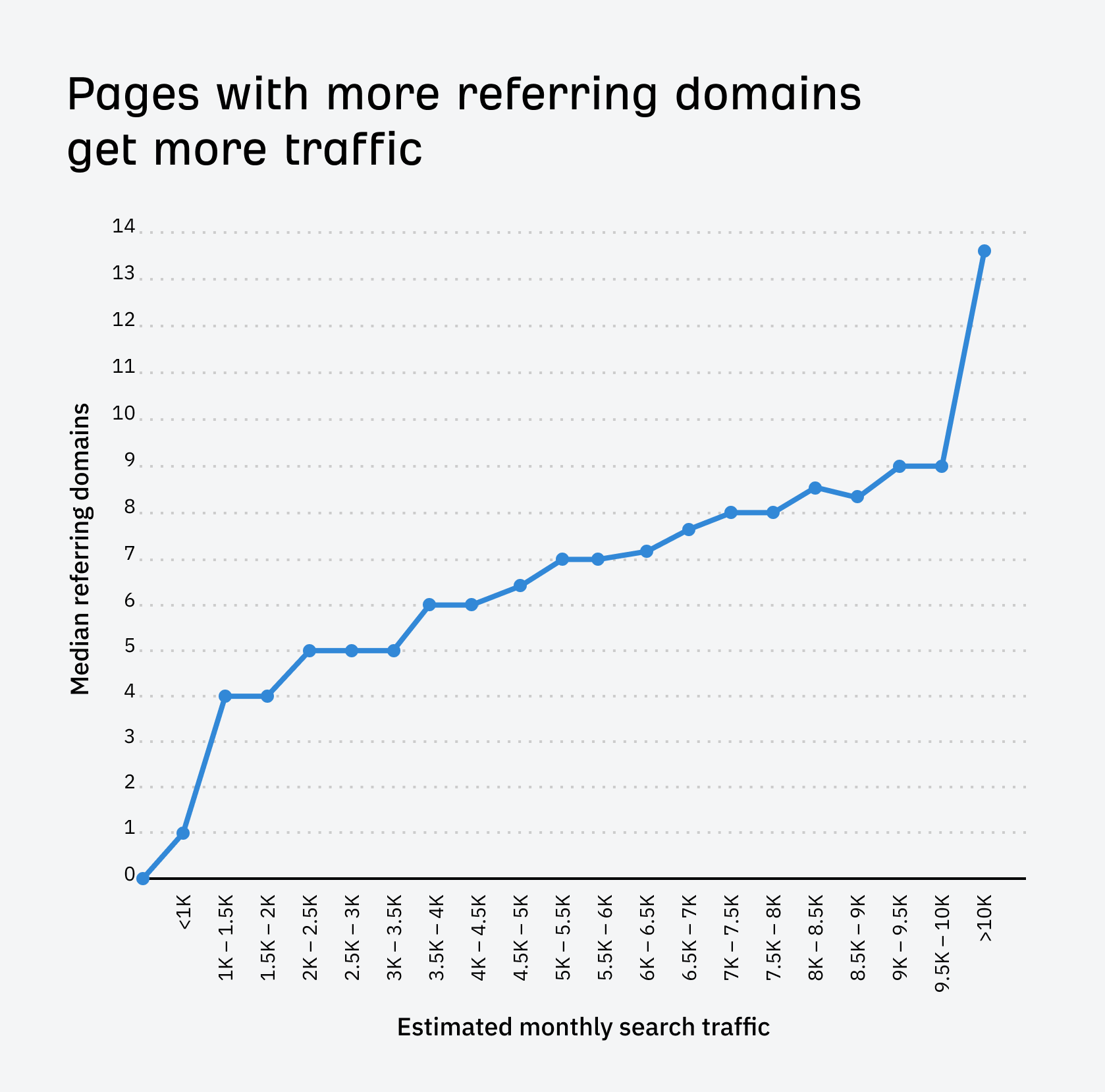
If your page already ranks well, earns backlinks, and is recognised as authoritative, it has a better chance of being referenced by AI systems.
One of the best ways to build authority is through data-backed PR.
Instead of publishing generic thought leadership, conduct original research. Run surveys, analyse customer behaviour, study market trends, or publish data that only your brand has access to.
When you own the data, you become the source.
That gives other websites a reason to cite you. It also gives AI systems a stronger reason to associate your brand with that topic.
For example, a company could run a survey on how customers choose between different product types. That research can then become a report, a PR story, a blog post, and supporting content across the site.
Original data is powerful because it gives you something new to contribute.
Research Prompts From Lower-Funnel Keywords
Prompt research is difficult because there are endless ways for users to ask the same question.
No tool can show you every possible AI prompt.
So I would start with lower-funnel keywords, especially the keywords connected to pages that already convert. From there, expand the topic using question modifiers like who, what, when, where, why, and how.
Then think about the real-world situations users might include in their prompts.
For example, users are unlikely to ask:
“I want to buy a fan.”
They are more likely to ask:
“I am looking for a ceiling fan for my new home. It needs to fit this room size, match this design, work indoors, and be easy to maintain.”
That one prompt can create several content angles: room size, design, material, indoor use, maintenance, and product comparison.
This is where traditional keyword research and human intuition need to work together.
Keyword tools show demand. Prompt research shows context.
Build Content Around Problems, Not Just Keywords
Another useful way to think about AI SEO is to start from the problem your product solves.
Traditional SEO often starts with keywords. But AI search is more likely to start with a situation or pain point.
Someone may not know the exact product category they need. They may only know the problem they are trying to solve.
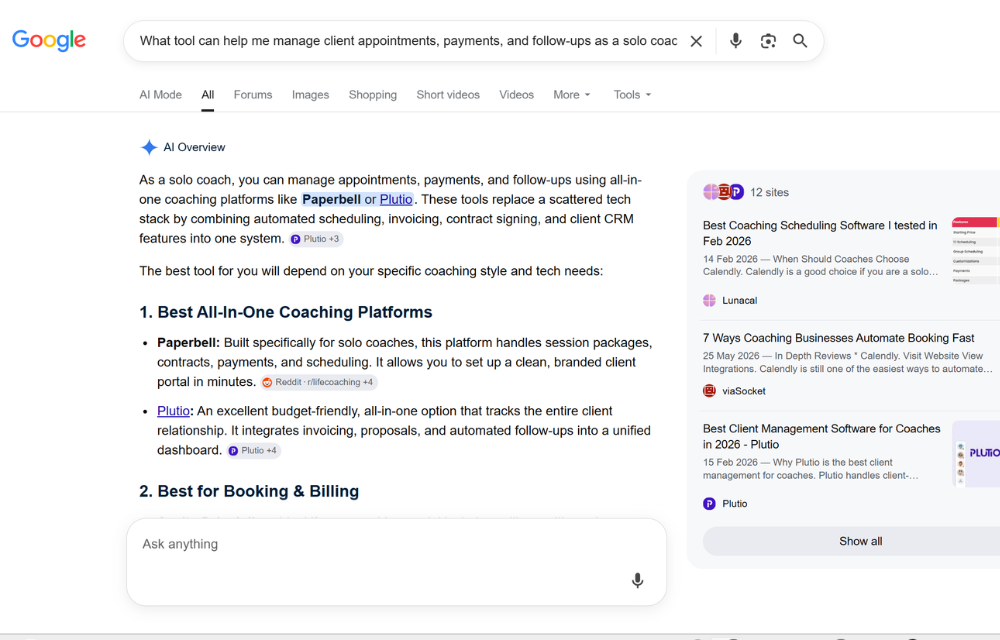
For example, they may ask:
“What tool can help me manage client appointments, payments, and follow-ups as a solo coach?”
That kind of query does not start with a clean keyword. It starts with a problem.
So instead of only building content around product names or category terms, build content around the situations that make someone need your product in the first place.
This helps you capture demand earlier and makes your content more aligned with how people actually use AI tools.
Optimise Internal Links And CTAs For AI Visibility
Internal linking is still important, but AI has changed how I think about it.
If you have informational content that does not convert well on its own, it should still guide users towards higher-converting commercial pages.
That can be done through clear CTAs, relevant internal links, and descriptive anchor text.
AI works by identifying patterns, relationships, and repeated associations across content. This means the way you structure your content and internal links can influence how AI understands the relationship between your pages.
If your informational article consistently links to a relevant commercial page with clear context, both users and AI systems can better understand what the next step should be.
The goal is not to stuff internal links everywhere.
The goal is to make the user journey and topical relationship obvious.
Create Content That Supports Commercial Pages
Not every article needs to be a direct revenue driver. Some content exists to support commercial pages.
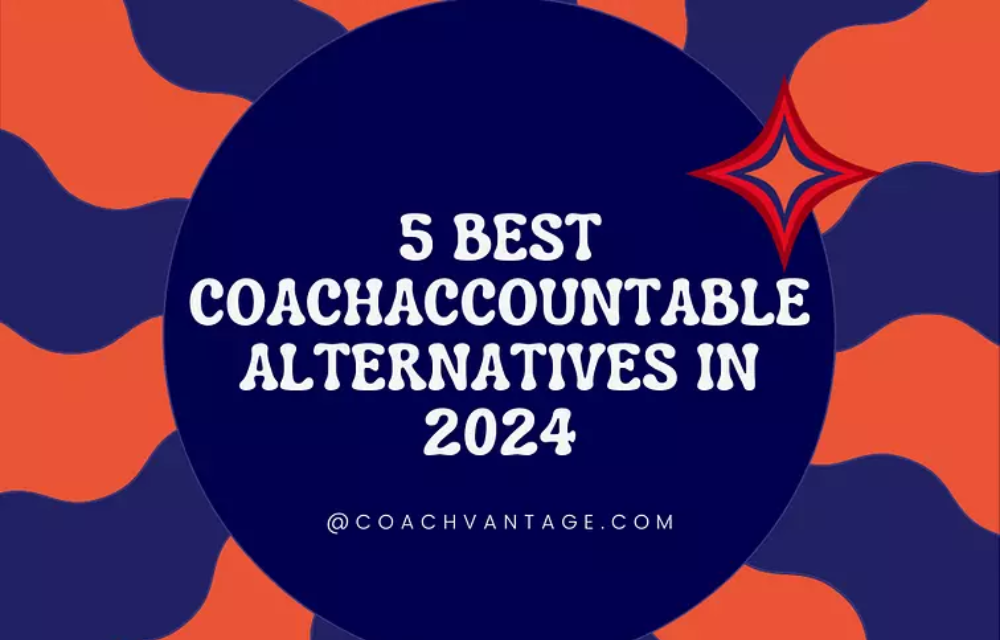
Comparison article listing coaching software on CoachVantage’s site
For example, a blog post may answer a specific question, explain a use case, compare options, or build topical authority. It may not convert immediately, but it can internally link to a commercial page that does.
This is especially important in AI SEO.
If AI systems are pulling together answers from multiple pages, your supporting content helps build context around your main product or service pages.
Think of it this way: your commercial pages are the pages you want users to convert on. Your supporting content helps explain why those commercial pages are relevant, trustworthy, and useful.
Use Forums To Understand Real User Sentiment
Forums are becoming more important for SEO and AI visibility.
People trust other people more than they trust brand-written content. That is why platforms like Reddit are so influential. Users go there for recommendations, comparisons, complaints, and honest experiences.
AI systems also pick up information from forum discussions. That means your brand reputation outside your website can influence how you appear in AI-generated answers.
This is especially important when users compare brands.
When people discuss your brand against competitors, they often mention strengths, weaknesses, pricing, service quality, product experience, and trust factors. These conversations can shape how your brand is perceived.
So, forum monitoring and online reputation management are becoming part of SEO.
You need to know what people are saying about your brand, what questions they are asking, what complaints keep appearing, and how you are being compared to competitors.
Be Helpful And Neutral In Community Discussions
If a brand participates in forums, it needs to be careful.
You cannot just enter a discussion and sell aggressively. That rarely works, and it can make the brand look worse.
A better approach is to be transparent, helpful, and neutral.
If you are representing a brand, say so. Give useful advice. Add caveats where needed. Encourage users to do their own research. Avoid pretending to be a regular customer if you are not.
The goal is not to force a sale.
The goal is to contribute something useful to the discussion. Over time, that can help build trust, improve sentiment, and make your brand more visible in the places where users are already asking questions.
Understand That AI Often Gives The Most Common Answer
One important thing to remember is that generative AI often works by predicting the most likely answer based on the information it has seen.
That means AI does not automatically give the best answer. It often gives the most commonly reinforced answer.
This is why brand visibility, authority, and consistency matter.
If your brand is not mentioned anywhere, if your content does not clearly explain your expertise, and if other sources are not referencing you, AI systems have fewer reasons to include you in their answers.
On the other hand, if your brand consistently appears across authoritative pages, original research, relevant discussions, comparison content, and helpful resources, you increase the chances of being associated with the topic.
AI SEO is partly about helping AI systems understand why your brand deserves to be part of the answer.
Do Not Treat AI As A Replacement For SEO Expertise
A lot of people assume that because AI can produce content quickly, SEO should become cheaper or easier.
I do not think that is the right way to look at it.
AI can generate content, but it does not automatically know your business priorities, your commercial pages, your keyword buckets, your conversion goals, your internal linking strategy, your topical gaps, or your competitive positioning.
That is where SEO expertise still matters.
A good SEO practitioner knows what to prompt, what angle to take, what content to create, what not to create, and how each page should support the wider strategy.
AI can help you move faster.
But if you do not know where you are going, speed does not help.
The SEO Playbook Has Changed — But The Fundamentals Still Matter
AI has changed how people search, how content gets discovered, and how brands earn visibility. But it has not made SEO irrelevant.
If anything, it has made strong SEO more important.
The brands that win in this new landscape will be the ones that understand user intent deeply, create specific and useful content, build real authority, publish original insights, and show up in the conversations where users and AI systems are already looking for answers.
SEO is about becoming the best possible source for the questions your audience is already asking.
For more practical breakdowns on SEO, AI search, content strategy, and digital marketing, read more articles on the markonmag blog.