
The Role of Good Graphic Design in Marketing
Graphic design is often treated as the “make it look nice” part of marketing. But good design work does far more than that.
It shapes how people notice a campaign, understand a message, feel about a brand, and decide whether to take action.
In this article, I’ll share what makes good graphic design, why it matters in marketing, and whether designers still have a place in an AI-powered creative world.
What Makes a Graphic Designer?
A Good Graphic Designer Thinks Beyond Execution
To me, a good graphic designer does more than make something look nice.
There is a difference between designers who simply execute a brief and designers who think more deeply about the purpose behind the creative. A stronger designer asks:
Who is this for?
What emotion should this create?
How will it hook someone?
What action should the viewer take next?
That matters because marketing design is not just decoration. Whether it is a social media ad, landing page, poster, or website banner, the design needs to attract attention, communicate clearly, and move people towards action.
That is why I see good designers as problem-solvers. Every choice, from the headline placement to the image style to the call-to-action, affects how people experience the brand.
A Good Graphic Designer Understands the Audience
Good design starts with understanding the target audience.
As a designer, you need to put yourself in the viewer’s shoes and think about what would make them stop, care, and respond.
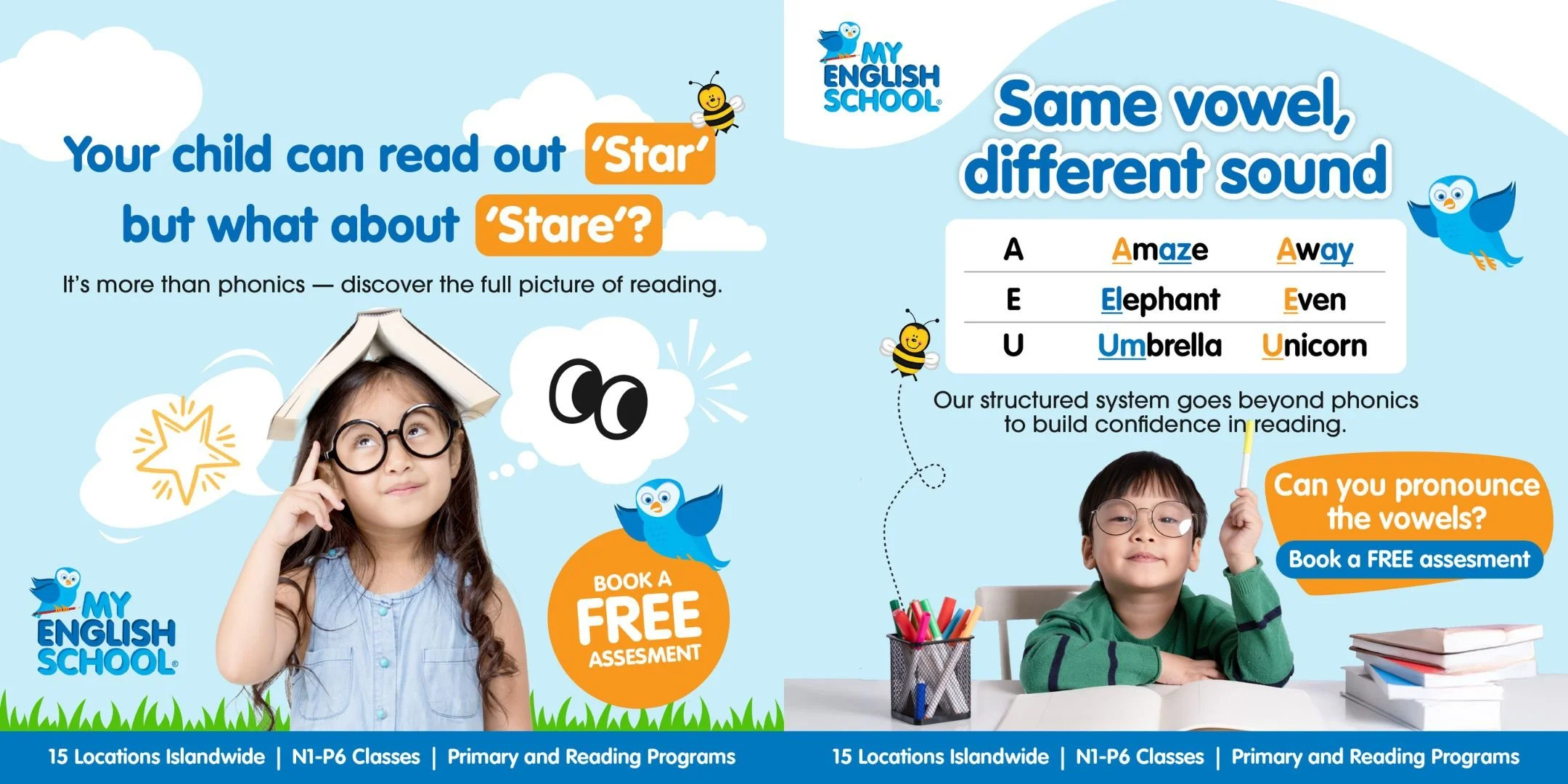
For example, if you are creating an ad for a tuition centre, it may not be enough to say that the school has qualified teachers. It could be more effective to highlight a pain point parents immediately understand, such as whether their child can pronounce certain words correctly.
That makes the creative feel more relatable and less generic.
This applies across different channels, too. Ads need to be scroll-stopping. Websites need to make the user journey clear. Branding needs to stay consistent, but not so rigid that it weakens the effectiveness of the campaign.
In short, good designers do not design only for themselves. They design for the people the brand is trying to reach.
What Counts as Good Graphic Design
Clear and Effective Messaging
For me, good graphic design begins with clear messaging.
Before someone notices the colours, layout, or typography, they need to understand what the design is trying to say. This is especially important for ads, where you only have a few seconds to capture attention.
A strong design usually has a clear hook. It could create curiosity, highlight a pain point, or make the viewer feel like they might miss out if they ignore the offer.
For example, an event ad should not just announce the event. It should show the viewer why they should care, what they will gain, and why they should act now.
When the message is clear, the design becomes easier to understand and more likely to drive action.
Imagery That Supports the Message
Good design also needs imagery that supports the message.
It is not enough to place a product photo beside a headline and call it a day. The image should help the viewer understand the idea faster, feel something more strongly, or relate to the message more easily.
For example, if a perfume brand is running a Father’s Day campaign, the design does not always need to show only the perfume bottle. It could show a gifting moment or emotion that connects the product to the occasion.
The visual should not feel random. It should work with the copy to tell one clear story.
That connection between text and image is what makes the creative feel intentional.
Strong Visual Hierarchy and Call-to-Action
A good design should guide the viewer’s eye.
This is where visual hierarchy matters. The most important element should be the easiest to notice first. That could be the headline, product, offer, or call to action, depending on the campaign's goal.
As designers, we can create hierarchy through font size, contrast, spacing, layout, and image placement.
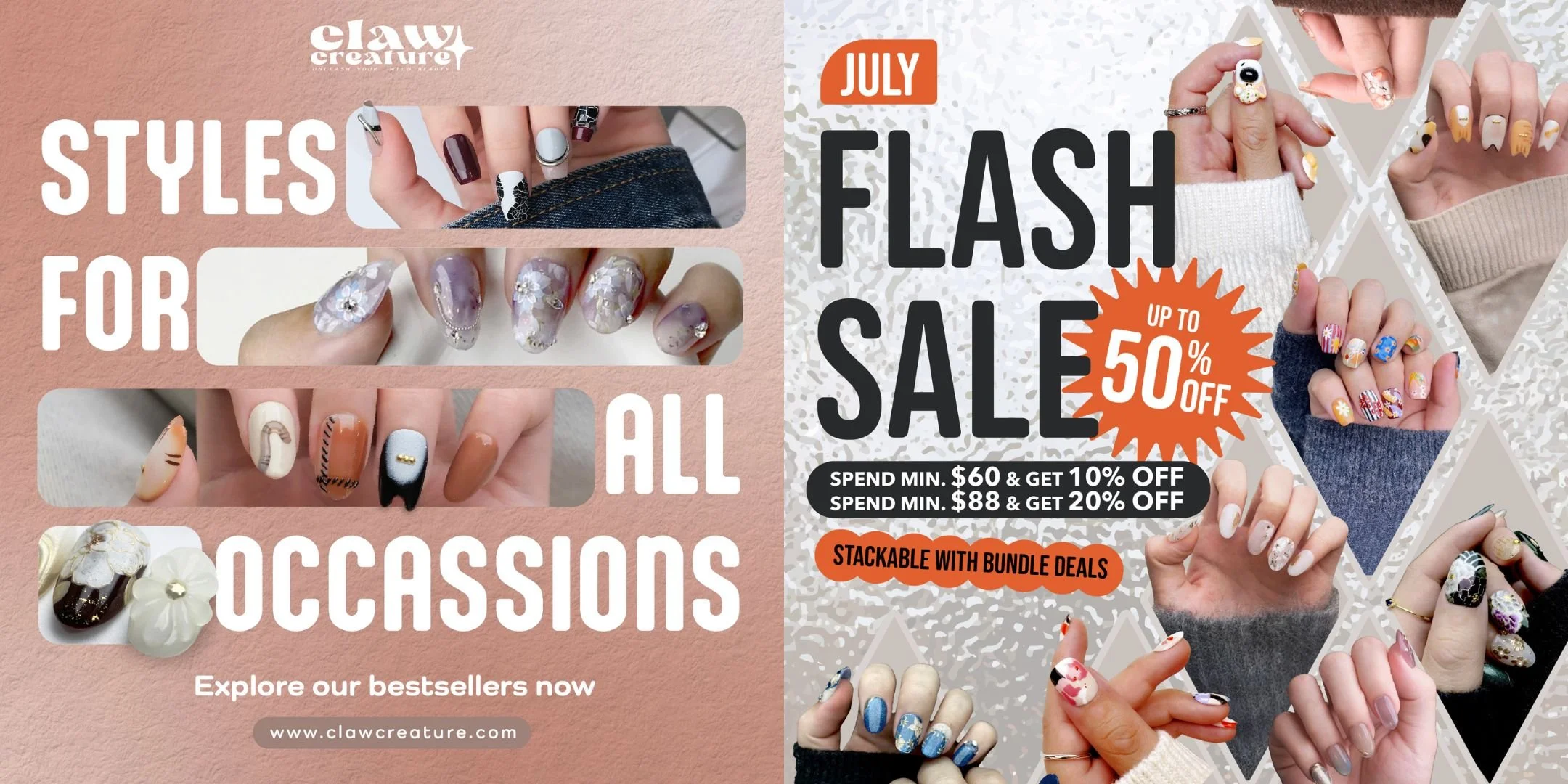
A clear call-to-action is also important. It does not always have to be a button. It could be a secondary headline, a short instruction, or a line that nudges the viewer towards the next step.
For bottom-funnel campaigns, urgency can help. Phrases like “limited slots available,” “first 30 sign-ups,” or “early bird special” can encourage people to act sooner.
Ultimately, good graphic design makes the next step obvious.
The Importance of Good Graphic Design Matters in Marketing
1. Capturing Attention in the First Few Seconds
In marketing, the creative is usually the first thing people see.
Before someone reads the full copy, visits the website, or learns more about the offer, they are exposed to the design first. That first visual impression plays a big role in whether they stop scrolling or ignore the campaign completely.
This is especially true for social media ads, where you only have a few seconds to capture attention. If the creative does not stand out quickly, the rest of the campaign may not even get a chance to do its job.
2. Strengthening Brand Perception
Good graphic design also affects how people perceive the brand.
The colours, typography, imagery, layout, and overall style all contribute to how the brand feels. A design can make a brand look premium, playful, trustworthy, modern, bold, or approachable.
If the design feels messy, outdated, or inconsistent, it can weaken how people view the brand. But when the design feels intentional, it gives the brand a stronger and clearer position in the viewer’s mind.
3. Increasing Audience Relevance
A good design should not only look attractive. It should feel relevant to the people it is trying to reach.
For me, relatability is one of the biggest reasons design matters in marketing. If the creative reflects the audience’s situation, pain point, desire, or lifestyle, it becomes easier for them to connect with the message.
That is why research matters. What works for a gym campaign may not work for a tuition centre, restaurant, perfume brand, or property launch. The stronger the audience fit, the less generic the campaign feels.
4. Moving People Through the Marketing Funnel
Good design also helps a campaign work across different funnel stages.
At the top of the funnel, the design is usually focused on awareness. The goal is to introduce a new product, event, store opening, menu, or brand message in a way that creates curiosity.
In the middle of the funnel, the design needs to support consideration. This is where the creative should give people a reason to think, “Maybe this is for me.”
At the bottom of the funnel, the design becomes more conversion-driven. The creative may highlight a limited-time offer, first sign-up benefit, early bird deal, or other reason to act now.
5. Driving Conversions and Sales
Design does not work in isolation.
A campaign can have a good offer, but if the creative is weak, people may not notice it. A brand can have strong messaging, but if the layout is confusing, the message may not land. A promotion can be valuable, but if the design does not create urgency, people may delay taking action.
That is why good graphic design matters in marketing. It helps the campaign become clearer, more attractive, more relatable, and more persuasive.
In the end, strong design is not just about making things look good. It helps the marketing do its job better.
Is Graphic Design Still Important In The Age Of AI?
AI Can Create Assets, But It Still Needs Direction
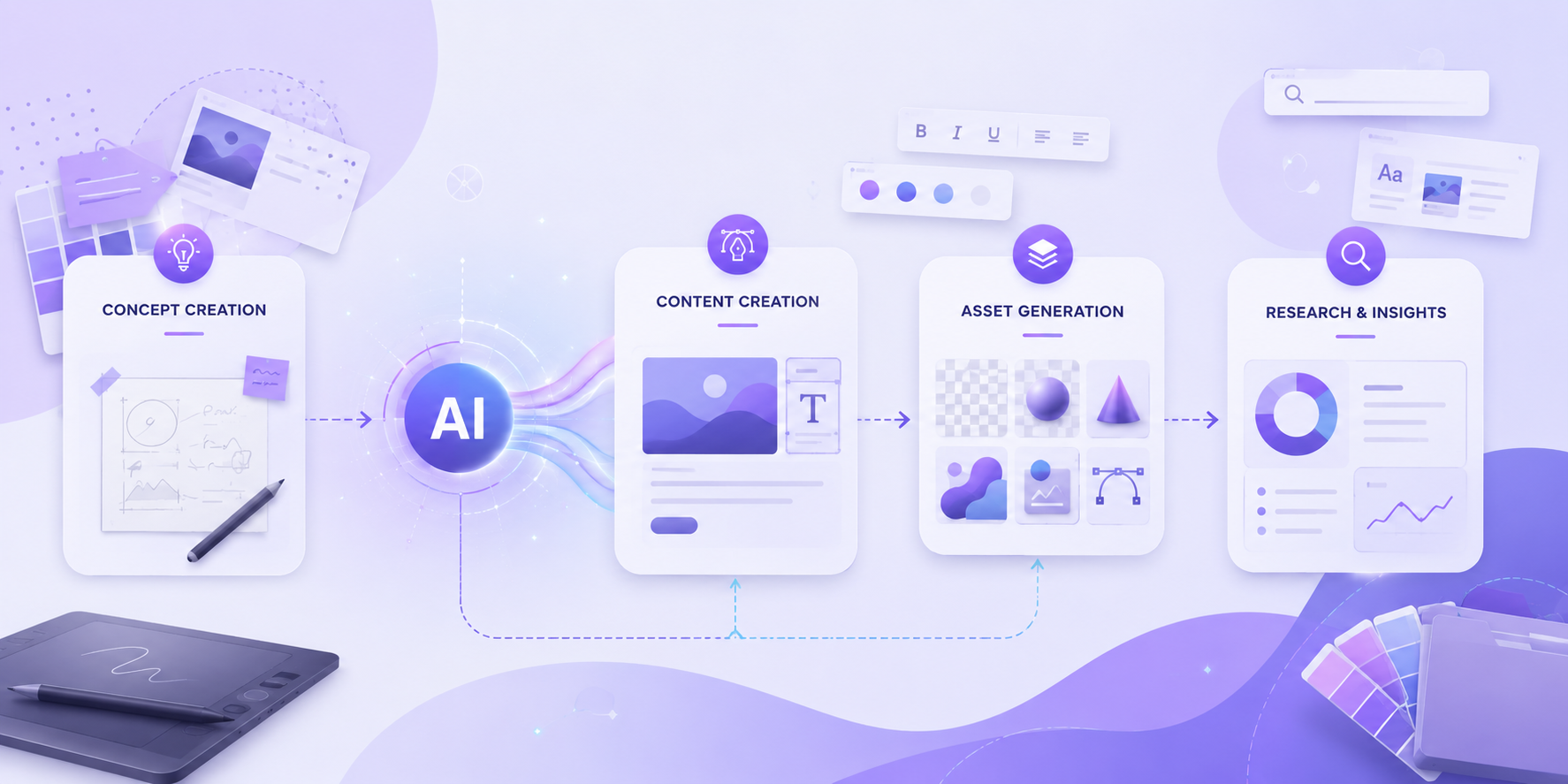
I do think AI is useful in the design process, especially when it comes to creating assets quickly.
For example, if a client does not have the budget for a full product shoot, AI can help generate visuals, references, or supporting creative assets. That can make the production process faster and more flexible.
But AI still needs strong direction. Without a designer guiding the prompt, checking the output, and deciding what works, the final creative can easily feel generic or disconnected from the brand.
Designers Are Becoming Problem-Solvers, Not Just Visual Executors
In the age of AI, I think the role of a designer is shifting.
AI can already generate visuals that look good at first glance. But when you look closer, there are often issues with the branding, layout, text, proportions, or overall direction. That is where a designer still matters.
A designer does not just create the visual. They identify what is not working, fix the gaps, and make sure the creative actually solves the marketing problem. In that sense, the designer’s value is becoming less about manual execution and more about judgment, editing, and problem-solving.
Human Thinking Makes Campaigns Less Generic
One major limitation of AI is that it often gives you the most obvious answer.
If you ask AI to generate ideas for a tuition centre ad, for example, it may suggest generic points like qualified teachers, proven methods, or better grades. Those ideas are not wrong, but they are also not very distinctive.

A human designer or marketing team can approach the same brief differently. Instead of just listing benefits, they might create an interactive ad that asks parents whether their child can pronounce certain words correctly. That speaks directly to a real pain point and feels more human.
That is where design thinking still matters. Good creatives are not just about producing something quickly. It is about finding the angle that makes people care.
Can AI Replace Graphic Designers In The Future?
AI May Replace Some Basic Design Work
I would not be surprised if AI replaces some design work in the future.
There will always be businesses that choose the cheaper and faster option, especially for basic ads, simple social media graphics, or quick visual assets. We can already see AI-generated creatives being used in many places.
For designers, that means basic execution alone may not be enough anymore. If your only value is making something look decent, AI will become a serious threat.
Designers Need to Prove Strategic Value
The way forward is for designers to show why their work is stronger than AI-generated output.
That means being able to explain the thinking behind the design. Why was this visual direction chosen? Why does this layout work? How does the creative support the campaign goal? How does it help with conversions, engagement, or brand perception?
Designers who understand marketing, user experience, copy, branding, and conversion will be harder to replace. They are not just creating graphics. They are helping businesses make better decisions.
AI Will Reward Designers Who Adapt
I do not think designers can ignore AI.
It is not going away, so the better approach is to learn how to use it well. Designers who know how to prompt, curate, edit, and improve AI-generated assets can make their workflow faster without giving up creative control.
In the future, the strongest designers may not be the ones who avoid AI completely. They will be the ones who know how to combine AI tools with human judgment, taste, and strategy.
Good Design Is Not Just Pretty. It Is Persuasive.
Good graphic design is not just about making a campaign look polished. It shapes first impressions, makes messages easier to understand, helps brands connect with the right audience, and supports the journey from attention to action.
And even in the age of AI, strong design still needs human judgment, strategy, and taste behind it. For more practical takes on marketing, branding, content, and creative strategy, check out more articles on the markonmag blog.