
What Moving to Japan Didn’t Immediately Fix
Dear Diary,
If leaving Singapore was about choosing discomfort over familiarity, then finding work in Japan was about learning how much uncertainty I could sit with without panicking.
You can read more about why I left Singapore and moved to Japan.
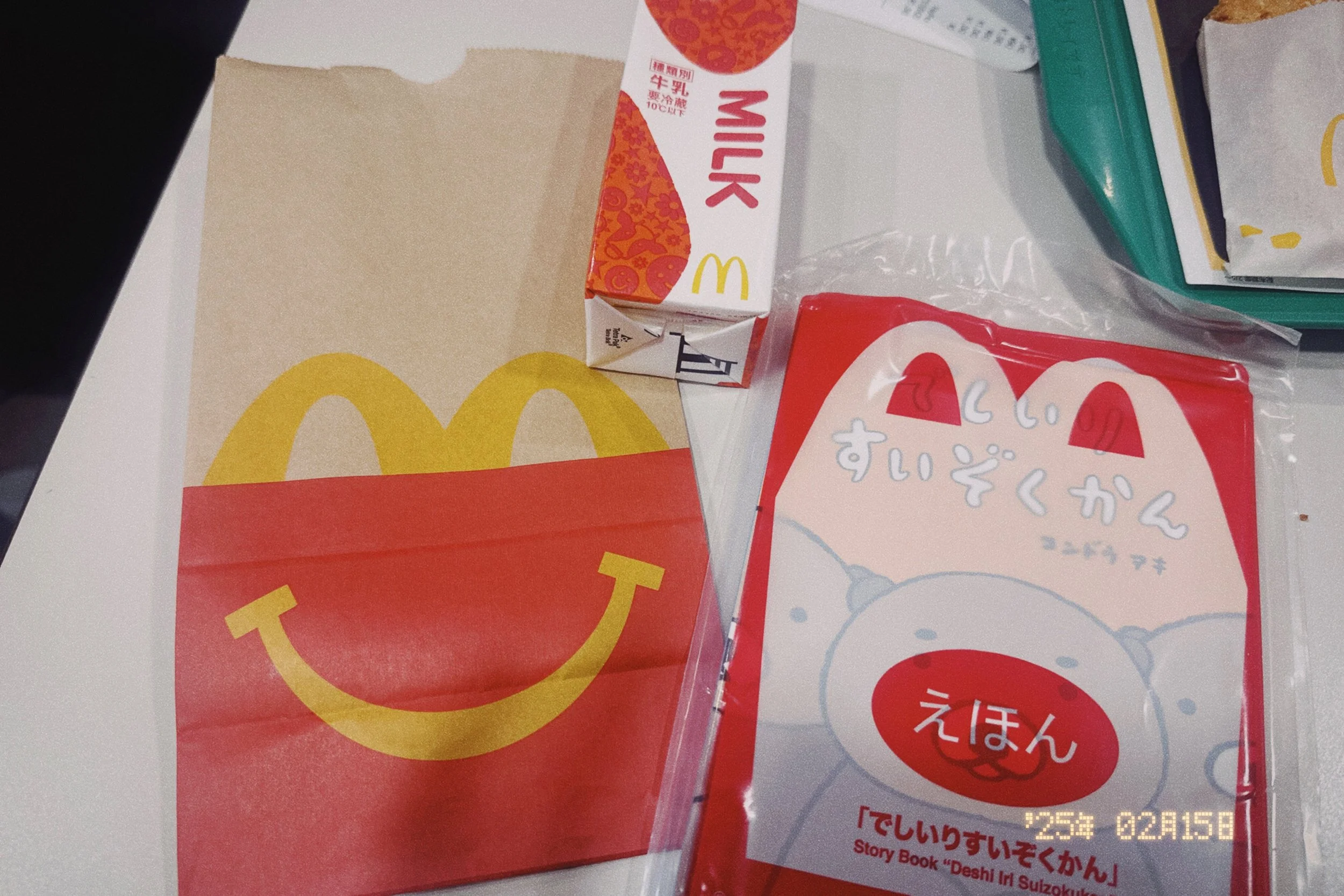
I usually buy Happy Set from McDonalds for the picture books to practice!
Finding Work in Japan
I was foolish to think that after one year of studying Japanese, I would be ready.
At the time, it felt reasonable. I had been consistent with classes, immersed in daily life, and slowly building confidence. Surely, that would be enough to find a job.
It was not.
Most roles required a level of Japanese I had not formally reached yet. On paper, I did not qualify. My student visa was also nearing its end, which added a quiet pressure to everything I did. Even on good days, the anxiety sat in the background.
I was incredibly thankful for the people who believed in me anyway. A recruitment firm saw my experience and decided to push my resume forward despite the language gap. At the same time, I extended my stay by enrolling in another language school. I told myself it was not a setback, just more time.
Then, unexpectedly, an interview came.
The process was nerve-wrecking. Even though the interview was conducted in English, the pressure was intense. I prepared, but it was not perfect. I remember replaying my embarrassing Japanese answers over and over even when the interview was over.
Before accepting my first offer, I actually went through another long interview process that I did not end up taking. The questions they asked were intense, and I documented part of the experience here. It was a reminder that finding work in Japan is not just about language or skills, it is also about timing, fit, and a little bit of luck.
When I received the offer I did accept, the feeling was relief, not excitement.
I could stay.
I could work.
I had crossed the first hurdle.

The sunset view from my new office at Ebisu.
The First Job Was a Landing, Not the Destination
My first job in Japan felt like a gentle landing.
The environment was multicultural and largely English-speaking. There were trainings in Japanese, and the projects were genuinely interesting. It was a good place to start, especially for someone still adjusting to life and work here.
But over time, I realized something.
Despite being in Japan, my day-to-day work felt very similar to Singapore. The clients I supported were mostly overseas, and Japanese was not something I used regularly. I was learning, but not in the way I had imagined when I first moved.
I found myself finishing tasks quickly. Because of that, more work came my way. When I asked about growth and compensation, I was told changes would only come much later due to company structure.
It made sense logically. Although, emotionally, it was harder to accept.
I was grateful, yet restless. Bored, yet busy.
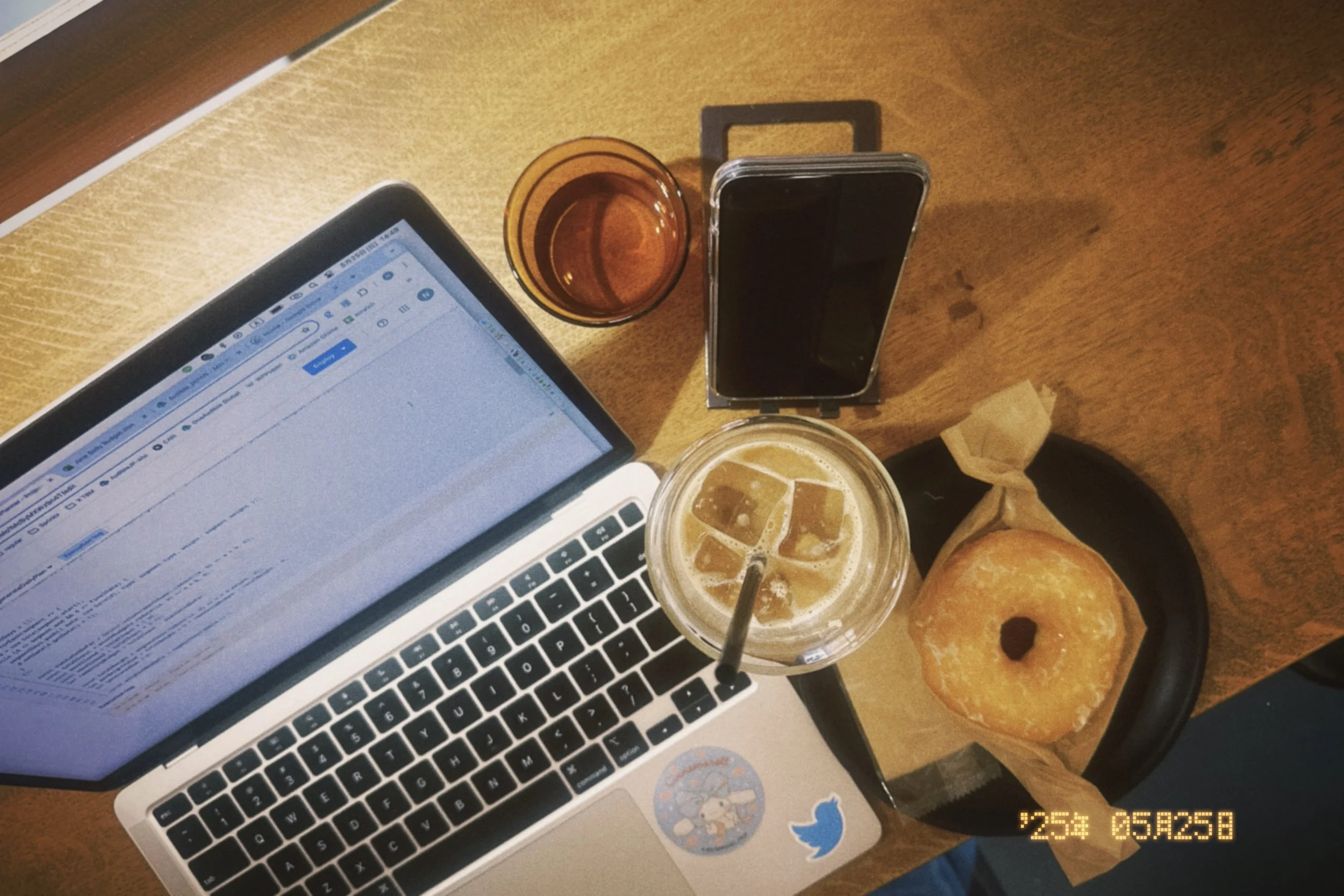
Weekends filled with journalling at cafes.
When Stability Started to Feel Small
I had prioritised securing a work visa, even if it meant stepping into a role at a lower level than where I was before. At the time, it felt like the right trade-off.
But stability came with its own weight.
With a lower salary, my world felt smaller. I had time, but less freedom. I started questioning myself more than I expected.
Was I being impatient?
Was I wasting time wanting more while still onboarding?
Was this just what settling looked like?
I reminded myself often that stability does not always mean alignment. Still, the self-doubt lingered.
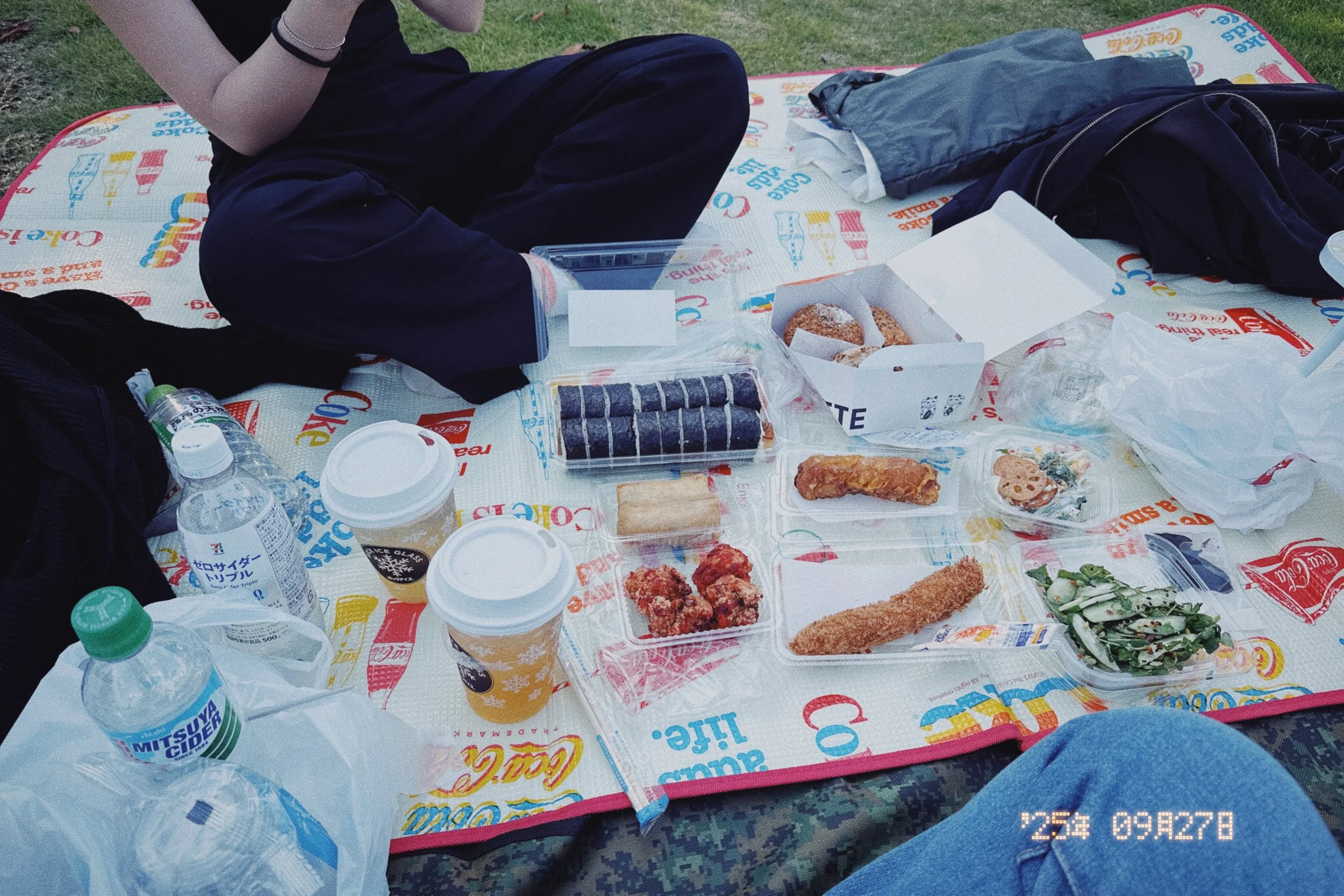
My love for picnics at parks in spring and autumn didn’t stop.
Choosing to Change
Changing jobs scared me more than leaving Singapore.
On paper, it looked risky. Less than a year in Japan. Less than a year in my previous role. I worried about how it would look, how it would be interpreted, and whether I was making things harder for myself.
But I was also reminded that context matters.
When an opportunity came that aligned better with my original goals, which was working more closely with Japanese clients and experiencing Japanese work culture more directly. This time, I listened.
Choosing to change was not about dissatisfaction. It was about alignment over obligation.
So I took the leap again.
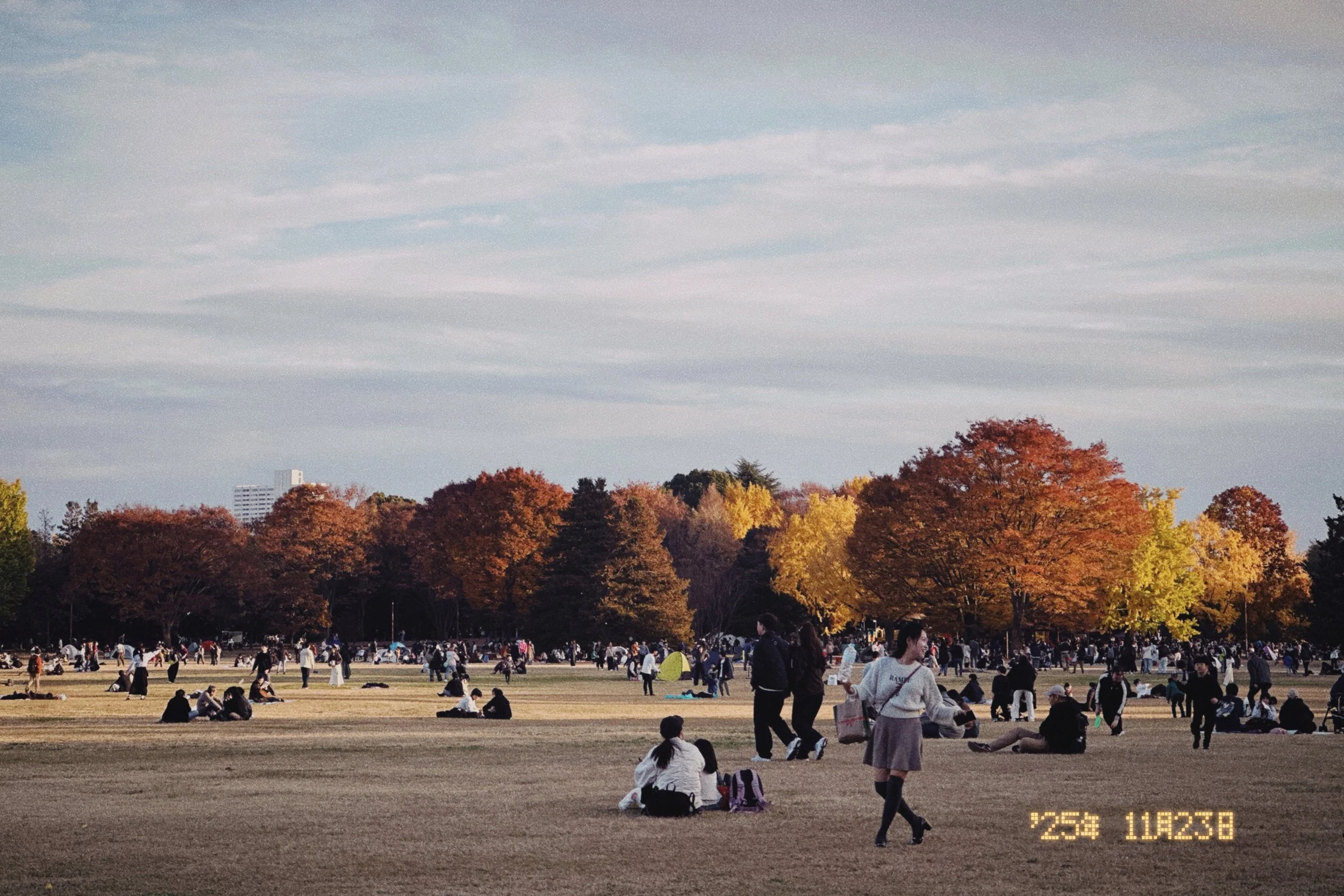
Showa Kinen Park is always the right choice in Autumn.
One Year In
I am now four months into my second job, and one year into working in Japan.
I am tired. Some days, deeply so. I carry more responsibility now, more ownership, and more moments of uncertainty. I use Japanese daily, and there are still days I wonder if I am doing things right.
Sometimes I ask myself whether I enjoy the challenge, or whether everything simply feels harder because it is Japan.
The answer is probably both. But I am happier.
This year taught me that finding a job is not the same as finding clarity. It taught me that I am capable of starting, and also allowed to choose again.
Finding my first job taught me I could survive here. Changing jobs taught me I was allowed to want alignment. I do not feel finished. I still feel like I am まだ途中. Tired, but hopeful.
And for now, that feels like enough.